Recently in European Category

scotsman.com
June 1, 2009
By Marisa de Andrade


TH1_315200913cervarix.jpg

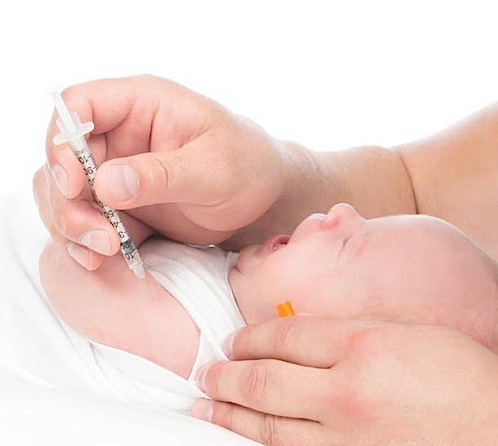
MORE than 150 girls in Scotland have suffered adverse reactions after receiving the cervical cancer vaccine introduced last autumn, The Scotsman can reveal.

Campaigners are calling for the vaccination programme to be suspended, claiming there are unanswered questions about the long-term effectiveness and safety of Cervarix, the drug used for the vaccine. They are concerned that official information refers to mild side-effects, when some girls have reported serious reactions to the jab.

The families of six girls in England are suing GlaxoSmithKline (GSK), the maker of Cervarix, after the girls suffered severe reactions resulting in partial paralysis, seizures and chronic fatigue. The Scotsman has learned two more have contacted the same solicitor after suffering severe painful swelling of joints.

  • Currently 5/5
  • 1
  • 2
  • 3
  • 4
  • 5
Rating: 5/5 (1 votes cast)

Reuters
Pete Harrison
March 2, 2009

Austria and Hungary reaffirmed their sovereign right on Monday to ban growing genetically modified maize after EU environment ministers squashed more attempts by the European Commission to lift the restrictions.

In a stinging rebuff to the EU's executive arm, an overwhelming majority of countries -- at least 21 out of the bloc's 27 member states -- voted against draft orders for Vienna and Budapest to end their GM crop bans within 20 days.

EU law provides for national GMO bans under certain cicumstances if the government can justify the prohibition.

It was the third time that the Commission had tried to get Austria's bans lifted and the second time for Hungary, with all the attempts roundly rejected by ministers in the past.

National GMO bans are the only area of EU biotech policy where countries can muster enough consensus under the bloc's complex weighted voting rules to secure an agreement. On applications for new GM products, for example, they are always deadlocked, leading to default approvals by the Commission.

  • Currently 0/5
  • 1
  • 2
  • 3
  • 4
  • 5
Rating: 0/5 (0 votes cast)

Alternet
By Amy Goodman, Truthdig
February 25, 2009
http://www.alternet.org/story/128912/

Is your lipstick laden with lead? Is your baby's bottle toxic? The American Chemistry Council assures us that "we make the products that help keep you safe and healthy." But U.S. consumers are actually exposed to a vast array of harmful chemicals and additives embedded in toys, cosmetics, plastic water bottles and countless other products. U.S. chemical and manufacturing industries have fought regulation, while Europe moves ahead with strict prohibitions against the most harmful toxins. The European Union says regulation is good for business, inspiring consumer confidence and saving money over the long term.

Most people would be surprised to learn that the cosmetics industry in the United States is largely unregulated. Investigative journalist Mark Schapiro is the author of "Exposed: The Toxic Chemistry of Everyday Products and What's at Stake for American Power." In the absence of oversight, researchers and journalists like Schapiro and grass-roots organizations have stepped into the breach.

  • Currently 4.7/5
  • 1
  • 2
  • 3
  • 4
  • 5
Rating: 4.7/5 (3 votes cast)

In accordance with the requirements of a European directive, the European Commission is about to pass restrictions on formulating food supplements that contain vitamins and minerals integrating daily nutrient intake.

Richard Burton, the head of the Irish Institute of Nutrition and Health has written to members of the European Parliament that approved a directive mandating such restrictions, to warn that the directive, if implemented as planned, will harm the health of Europe's citizens.

The food supplement directive requires that ingredients supplying vitamins or minerals be approved and added to a published list this year, or they can no longer be used. Data required for adding those ingredients to the list are similar to those needed for approval of a medicine. The Commission is also looking at dosage restrictions that, in some cases, could make the products useless for the prevention of common degenerative ailments.

The letter by Institute Director Burton outlines the likely consequences of such restrictions and warns that many of Europe's more health conscious citizens are on the verge of losing faith in the idea of a united Europe.

La Leva has argued in similar terms during the time leading up to the passage of the directive - however to no avail.

  • Currently 4/5
  • 1
  • 2
  • 3
  • 4
  • 5
Rating: 4/5 (3 votes cast)

Atlanticfreepress
Written by Robert Singer
February 7, 2009

The Codex Alimentarius Commission (CAC), based in Rome, Italy, is an international organization jointly created in 1962 by the Food and Agricultural Organization (FAO) and the World Health Organization (WHO) of the United Nations “allegedly” to protect the health of consumers with guidelines for food standards.

Codex Alimentarius may present the greatest disaster for our food supply — and thus for our health — this country has ever seen, and if not stopped is likely to be implemented starting in 2011.

Let me repeat that, the greatest disaster to our health if not stopped, starting in 2011.

The Codex and regulations affecting our food sovereignty go back to 1962. Fortunately, in 1994 Congress passed the Dietary Supplements Health and Education Act (DSHEA), which for the moment preserved the definition of vitamins, minerals and herbs as foods.

Without congressional oversight the U.S. will move towards Canada and Mexico where supplements are considered drugs, not foods. Codex if implemented will reverse DSHEA and the U.S. will no longer treat dietary supplements as foods, but as toxins.

Let me repeat that, Codex treats foods as toxins!

  • Currently 5/5
  • 1
  • 2
  • 3
  • 4
  • 5
Rating: 5/5 (5 votes cast)

Sott.net
Alison Benjamin
The Guardian
January 29, 2009


A_bee_collects_nectar_fro_001.jpg
A bee collects nectar from a flower in a garden
in Pontevedra. Photograph: Miguel Vidal/Reuters

First UK supermarket chain - and Britain's biggest farmer - to prohibit chemicals implicated in the death of over one-third of British bees

The Co-op today became the first UK supermarket to ban the use of a group of pesticides implicated in billions of honeybee deaths worldwide.

It is prohibiting suppliers of its own-brand fresh produce from using eight pesticides that have been connected to honeybee colony collapse disorder and are already restricted in some parts of Europe.

The Co-op said it will eliminate the usage of the neonicotinoid family of chemicals where possible and until they are shown to be safe. The Co-op has over 70,000 acres of land under cultivation in England and Scotland, making it the largest farmer in the UK. Since 2001, it has already prohibited the use of 98 pesticides under its pesticide policy.

Simon Press, senior technical manager at the Co-op group said: "We believe that the recent losses in bee populations need definitive action, and as a result are temporarily prohibiting the eight neonicotinoid pesticides until we have evidence that refutes their involvement in the decline."

Reblog this post [with Zemanta]
  • Currently 0/5
  • 1
  • 2
  • 3
  • 4
  • 5
Rating: 0/5 (0 votes cast)

A recent decision of the European Court of Justice has delineated the borderline between food and medicine in a case involving a German pharmaceutical importer and the administrative authorities. The Lueneburg district's administration had challenged Hecht-Pharma that their product called "Red Rice" was a medicine by function, and that it could not be legally sold in Germany. A "medicine by function" is a product presented and sold as a food, that is determined to really be a medicine because its function is that of "restoring, correcting or modifying physiological functions in human beings".

Hecht-Pharma, which operates a wholesale pharmaceutical business, marketed in Germany a product composed of fermented red rice under the name ‘Red Rice 330 mg Kapseln [capsules]’.

The capsules were marketed in plastic bottles which stated on their labels, inter alia: ‘Red Rice 330 mg, food supplement with fermented rice. One capsule corresponds to 1.33 mg of monacolin k’. The recommendations for use read as follows: ‘As food supplement, 1 capsule 1 - 3 times daily’.

The Niedersächsisches Oberverwaltungsgericht (Higher Administrative Court of Lower Saxony) held that the legislation on medicinal products was applicable on the ground that the product in question could come within the scope of the definition of a medicinal product by function. It contained significant levels of monacolin k. That active substance is synonymous with lovastatin, an inhibitor of cholesterol synthesis which is contained, as an active substance, in a number of prescription medicinal products.

The Niedersächsisches Oberverwaltungsgericht concluded that the product at issue in the main proceedings was liable to lower excessively high cholesterol levels and therefore contribute to the realisation of a therapeutic objective. It added that inhibitors of cholesterol synthesis could also have serious, undesirable side-effects on the muscles and kidneys.

Hecht-Pharma appealed on a point of law against the judgment of the Niedersächsische Oberverwaltungsgericht. During the course of the appeal, the Bundesverwaltungsgericht (Federal Administrative Court) decided to stay the proceedings and to refer the certain questions to the European Court of Justice for a preliminary ruling.

The decision of the EU Court, which no doubt will be greeted with some relief by European supplement manufacturers as well as consumers, sets down a firm marker that helps us understand where the borderline between food [supplements] and medicinal products is to be drawn. A recent revision of European medicines directives had left considerable confusion and uncertainty in that respect. The court intends to limit the application of pharmaceutical law to only those products sold with claims of prevention or cure of illness, and to products which, by their composition, are scientifically proven to be effective in modifying physiological functions.

The full text of the EU Court of Justice decision is available here on the eur-lex site.

  • Currently 0/5
  • 1
  • 2
  • 3
  • 4
  • 5
Rating: 0/5 (0 votes cast)
The structure of part of a DNA double helix

Image via Wikipedia

Washington Post
Spencer S. Hsu
December 12, 2008

Immigration and civil liberties groups condemned a new U.S. government policy to collect DNA samples from all noncitizens detained by authorities and all people arrested for federal crimes.

The new Justice Department rule, published Wednesday and effective Jan. 9, dramatically expands a federal law enforcement database of genetic identifiers, which is now limited to storing information about convicted criminals and arrestees from 13 states.

The change could add as many as 1.2 million people a year to the national database, U.S. officials said. Supporters equate DNA collection to taking fingerprints or photographs at the time of booking.

Congress authorized the expansion in 2005, citing the power of DNA as a tool in crime solving and prevention.

Reblog this post [with Zemanta]
  • Currently 5/5
  • 1
  • 2
  • 3
  • 4
  • 5
Rating: 5/5 (1 votes cast)

La Leva di Archimede, as part of an alliance of seven non-governmental organizations and political parties, collectively representing citizens from all 27 European Union (EU) countries, is demanding that tomorrow's EU Heads of State Summit accepts the outcome of the recent Irish referendum on the Lisbon Treaty. Expressing their deep concern over reports that the EU is planning to ignore the Irish "no" vote and press ahead with massive spending increases to implement the treaty's provisions, they argue that "no" should mean "no." Unless the treaty is abandoned and the interests of the European Union's citizens come before those of multinational corporations, they say that public trust in the European Union and its institutions will be irreparably undermined.

La Leva di Archimede is in favour of a Europe for the people where the voice of citizens counts. Naturally, this means that the voice of the Irish people, expressed in a referendum, should be listened to. "Had other nations held a similar referendum," says Sepp Hasslberger, La Leva's president, "I am sure the Irish would not be alone in having said 'no' to the treaty. The Dutch and the French and several others would have joined them in a 'no' vote. Will Heads of State deepen the democratic deficit of Europe, or will we finally see a new democratic trend?"

  • Currently 0/5
  • 1
  • 2
  • 3
  • 4
  • 5
Rating: 0/5 (0 votes cast)

European consumer organizations urge Irish voters to say "No" to Lisbon Treaty

Six non-governmental organizations (NGOs), collectively representing consumers from all 27 European Union (EU) countries, are strongly urging Irish voters to vote "No" in Ireland's upcoming referendum on the Lisbon Treaty. Rather than resulting in Europe becoming "more efficient", as the treaty's supporters claim it would do, the NGOs are deeply concerned that a "Yes" vote in Ireland on June 12 and the treaty's subsequent enforcement by Brussels would only further worsen the EU's growing democratic deficiencies. The supposed political and procedural efficiencies that would result from the treaty's ratification, they argue, can only be achieved via the further compromising of democracy, personal privacy and freedom of choice - all three of which are now increasingly under threat in the EU.

"Italians and people from many other European nations are relying on Ireland to send a strong message to the European bureaucracy: Is it so difficult to understand that people in Europe want more of a say in their political future? A united Europe may be a positive development but it becomes meaningless and even damaging if the decision to unite is not made by the people themselves and the way to do it is determined over our heads," says Kathleen Gordon, speaking for La Leva di Archimede. "After all, should it not be our Europe?"

Dr Robert Verkerk, executive director of the Alliance for Natural Health, said: "The citizens of Europe are fast realizing that the European game plan extends way beyond just a common market, but now encroaches on some of the principles democracies the world over have held most dear, especially freedom of speech and freedom of choice. One of the areas likely to be most compromised is our freedom of choice in healthcare, and particularly our freedom to choose natural or alternative approaches, including the avoidance of vaccinations for our children. We urge the people of Ireland to vote 'no' on June 12 – a 'yes' vote is little more than a slippery slope to centralized, dictatorial control from Brussels."

Paul Anthony Taylor, External Relations Director of the Dr. Rath Health Foundation and the campaign's coordinator, added: "Surveys show that a majority of European citizens want referendums on the Lisbon Treaty. Nevertheless, despite the fact that citizens in France and the Netherlands had already voted 'No' to 95 percent of its content in 2005, European governments, including those of France and the Netherlands, have chosen to sign this treaty against the will of the people and without referendums. This is not democracy, but dictatorship, and an ominous sign of what is to come if this treaty is adopted. European citizens should have the right to control their own lives and make their own decisions about what is best for themselves and their families. A 'No' vote in Ireland on June 12 would therefore send a strong signal to the EU that any political system must retain the support and respect of its citizens, rather than their resentment, or else it will perish."

Lutz Kliche, Chairman of the Alliance for Health, Peace and Social Justice commented: "It is truly outrageous that in an issue of such significance and long term consequences for their future, the citizens of Europe are not allowed to decide. Looking at the way the so called 'reform treaty' was pushed through the German parliament and the Bundesrat (which includes state governments), two things become more than clear: the treaty is of utter importance to the power groups in Europe, and by no means are we, the people, considered to have a say in this. This gives great importance to the decision of the Irish people, them being the only ones who have to be consulted by constitution. We therefore call upon our Irish co-European citizens to reject the reform treaty as a fraudulent manoeuvre, a dirty trick, to take away basic citizen's rights under the guise of so-called progress. This progress only serves the multinationals and their stakeholders."

Scott Tips, President of the National Health Federation, stated: "Given that the Irish referendum is the only vote being held on this treaty, it is extremely important that this referendum is being held and that the desires of the citizens of Ireland be heard. It is unfortunate however that other European member states have chosen not to allow their citizens to vote on this issue and I therefore congratulate the Irish government for evidently being the most democratic state in the European Union and permitting this vote to take place."

Zeus Information Service hopes that the Irish people will vote 'No' and turn the European Project into disarray. Louise McLean, its Editor, said: "A strong 'No' vote is threatened by Irish farmers who realise that EU legislation will severely hamper their agricultural industry. In what is termed by the EU as 'Post-Democracy' we will see a massive assault on our freedoms and privacy as Common Law – which has been enjoyed for centuries in the UK – is swept away. There are powerful moves through EU directives to curb our right to buy or treat ourselves with natural therapies, food supplements and alternative medicines. Little do people know that 110,000 EU laws which have quietly been transposed into UK law will be enforced after the new Lisbon Treaty is ratified and most certainly by 1st January 2009. Something very sinister called Common Purpose has now infiltrated every institution in Europe to prepare people for membership of the European Union."

For more information: http://www.eu-referendum.org/english/index.html

  • Currently 0/5
  • 1
  • 2
  • 3
  • 4
  • 5
Rating: 0/5 (0 votes cast)

The Guardian/UK
May 24, 2008
by Alison Benjamin

Germany has banned a family of pesticides that are blamed for the deaths of millions of honeybees. The German Federal Office of Consumer Protection and Food Safety (BVL) has suspended the registration for eight pesticide seed treatment products used in rapeseed oil and sweetcorn.

0524 04 1-1

The move follows reports from German beekeepers in the Baden-Württemberg region that two thirds of their bees died earlier this month following the application of a pesticide called clothianidin.

“It’s a real bee emergency,” said Manfred Hederer, president of the German Professional Beekeepers’ Association. “50-60% of the bees have died on average and some beekeepers have lost all their hives.”

Tests on dead bees showed that 99% of those examined had a build-up of clothianidin. The chemical, produced by Bayer CropScience, a subsidiary of the German chemical giant Bayer, is sold in Europe under the trade name Poncho. It was applied to the seeds of sweetcorn planted along the Rhine this spring. The seeds are treated in advance of being planted or are sprayed while in the field.

The company says an application error by the seed company which failed to use the glue-like substance that sticks the pesticide to the seed, led to the chemical getting into the air.

Bayer spokesman Dr Julian Little told the BBC’s Farming Today that misapplication is highly unusual. “It is an extremely rare event and has not been seen anywhere else in Europe,” he said.

  • Currently 5/5
  • 1
  • 2
  • 3
  • 4
  • 5
Rating: 5/5 (1 votes cast)

Spiegel online
May 9, 2008
By Andrew Curry

Bees in the German state of Baden-Württemburg are dying by the hundreds of thousands. In some places more than half of hives have perished. Government officials say the causes are unclear -- but beekeepers are blaming new pesticides.

Beeonflower

In Germany's bucolic Baden-Württemburg region, there is a curious silence this week. All up and down the Rhine river, farm fields usually buzzing with bees are quiet. Beginning late last week, helpless beekeepers could only watch as their hives were hit by an unprecedented die-off. Many say one of Germany's biggest chemical companies is to blame.

In some parts of the region, hundreds of bees per hive have been dying each day. "It's an absolute bee emergency," Manfred Hederer, president of the German Professional Beekeeper's Association, told SPIEGEL ONLINE. "Fifty to 60 percent of the bees have died on average, and some beekeepers have lost all their hives."

  • Currently 0/5
  • 1
  • 2
  • 3
  • 4
  • 5
Rating: 0/5 (0 votes cast)

From The Times
May 3, 2008
Alexandra Frean, Education Editor

Targets for “toddler technology” skills laid down by the Government, which will require children to master basic computer skills by the age of 4 and understand how to use a television remote control, pose serious risks to child development, experts have said.

Aric Sigman, a psychologist and author of Remotely Controlled, said that the Government’s new early years curriculum, which requires underfives to be taught on computers, risked creating a generation of screen addicts.

Exposure to screen technology during key stages of child development may have counter-productive effects on cognitive processes and learning, particularly language development and competency in reading and maths, Dr Sigman said.

“Legally requiring the introduction of screen technology to 20 to 60-month-old children is likely to lead to even higher levels of daily screen viewing. Early introduction to ICT [information and communications technology] is likely to lead to a greater lifetime dependency on screens,” he said.

  • Currently 0/5
  • 1
  • 2
  • 3
  • 4
  • 5
Rating: 0/5 (0 votes cast)

The manufacturer, Eli Lilly, is to change the label for Strattera in Europe to include warnings about onset of “psychotic reactions, hallucinations, mania and agitation”.

The medical regulatory agency has also concluded that reviews suggest a CAUSAL ROLE for Strattera in inducing homicidal behaviours, aggression and hostility.


I took over two years of foot dragging before for the medical authorities in Europe finally decided that Eli Lilly should issue warnings about psychotic reactions in the label for Strattera. But now it’s finally done.

If Lilly doesn’t cause more delays, the new warning text reflecting “the risk of the onset or exacerbation of serious psychiatric disorders, including psychotic reactions, hallucinations, mania and agitation” (MHRA March 30, 2008), should be issued in some weeks.

Aggression and hostility are already listed harmful effects of Strattera.

  • Currently 0/5
  • 1
  • 2
  • 3
  • 4
  • 5
Rating: 0/5 (0 votes cast)

Sott.net
By Luke Baker
March 7, 2008

LONDON - A British company has developed a camera that can detect weapons, drugs or explosives hidden under people's clothes from up to 25 meters away in what could be a breakthrough for the security industry.

The T5000 camera, created by a company called ThruVision, uses what it calls "passive imaging technology" to identify objects by the natural electromagnetic rays -- known as Terahertz or T-rays -- that they emit.

The high-powered camera can detect hidden objects from up to 80 feet away and is effective even when people are moving. It does not reveal physical body details and the screening is harmless, the company says.

The technology, which has military and civilian applications and could be used in crowded airports, shopping malls or sporting events, will be unveiled at a scientific development exhibition sponsored by Britain's Home Office on March 12-13.

"Acts of terrorism have shaken the world in recent years and security precautions have been tightened globally," said Clive Beattie, the chief executive of ThruVision.

"The ability to see both metallic and non-metallic items on people out to 25 meters is certainly a key capability that will enhance any comprehensive security system."

  • Currently 0/5
  • 1
  • 2
  • 3
  • 4
  • 5
Rating: 0/5 (0 votes cast)

March 4, 2008
www.eu-referendum.org

Six non-governmental organizations (NGOs), collectively representing consumers from all 27 European Union (EU) countries, today announced the official launch of a campaign for citizens to have the right to vote in referendums whenever significant changes to laws affecting them are made at either national or European level. In particular, they are demanding that all EU citizens should immediately be given the opportunity to vote in referendums on the Lisbon Treaty.

Arguing that the EU is increasingly favouring the interests of big business over those of its own citizens, the six organizations say that unless this situation is reversed and European citizens are given the right to be directly involved in political decision-making, the European political system will rapidly degenerate into a dictatorship where democracy, freedom of choice and the privacy rights of individuals are routinely violated.

Paul Anthony Taylor, External Relations Director of the Dr. Rath Health Foundation and the campaign’s coordinator, said: “Last November, for the thirteenth year in a row, the EU’s auditors refused to sign off its financial accounts citing errors of legality and presumed attempts at fraud. Then, only two weeks ago, EU politicians were openly accused of fraud and embezzlement on a massive scale and an official investigation was launched that could potentially lead to the imprisonment of a number of MEPs. Corruption, fraud and an overall lack of accountability are becoming increasingly rife amongst the European Union’s political elite and it is clearly time that ordinary citizens are given a direct say in the way that the EU is developing. Simply giving people one vote every four or five years - to elect their political representatives - is not nearly enough in any political system that still professes to be a democracy.”

  • Currently 4.3/5
  • 1
  • 2
  • 3
  • 4
  • 5
Rating: 4.3/5 (3 votes cast)

GPs have got Britain 'hooked on painkillers'

| | Comments (0)

The Observer
February 10, 2008
Denis Campbell, health correspondent

· Inquiry slams mis-prescribing of drugs
· Doctors 'ignoring official guidelines'

Doctors are unwittingly fuelling the growing number of Britons hooked on prescription drugs by giving patients dangerously high doses of medicines that can prove highly addictive, a parliamentary inquiry has concluded.

MPs say that 'mis-prescribing' of drugs such as painkillers, sleeping tablets and anti-anxiety pills by some doctors is 'leading to addiction and dependence'.

GPs ignore official advice that patients should take powerful benzodiazepine tranquillisers for no more than four weeks by handing out repeat prescriptions without even seeing them in their surgery, says an all-party parliamentary group on drug misuse. The Home Office blames the mis-use benzodiazepines for causing 17,000 deaths since their introduction in the Sixties.

  • Currently 0/5
  • 1
  • 2
  • 3
  • 4
  • 5
Rating: 0/5 (0 votes cast)

The European Union is currently deliberating how to limit dosages of vitamins and minerals available in the Community. The move is mandated by the food supplements directive, which came into force in 2004. The directive regulates the commerce of nutrient-dense food supplements but full implementation is still years away, expected to take hold in the year 2010. Temporary permission for hundreds of specific forms of vitamins and minerals used in supplements for decades, for which 'dossiers' were required to be submitted, will run out in 2009. The deliberations on dosage limits are expected to come to a conclusion that same year.

Kyprianou's office has received a large number of letters from concerned consumers, who do not like the prospect of having to switch from vitamin C to lemon juice. The letters have solicited a response.

The Commissioner's 'detailed reply' however does not address specific consumer concerns. It reads like a plea for people to stop bothering the Commission while it does its important work. Well worn phrases like supplements are "intended for supplementing the normal diet" and they should be "safe and provide a wide choice to consumers" are little consolation to those of us who use nutrients at higher than normal doses to keep illness away and support an active and healthy life style.

Both the Commission's 'discussion paper' on dosages and the responses to its call for input from member states and stakeholders - industry, trade and consumers - but not the letters from individual consumers, are linked from that same page.

This episode recalls an earlier reply to consumers available on this site by the previous EU Commissioner, David Byrne, given during the deliberations for passage of the food supplements directive. Byrne similarly assured us that nothing untoward was going to happen - that the new regulations were going to be all for the best, that consumers would have a wide choice and be safe in the knowledge of being 'protected' by the authorities.

If the objective of the European Commission really was to provide "a wide choice" of (safe) supplements, why can't they leave good enough alone and turn their legislative fervor to other, more worthwhile targets? Supplement safety is not problematic, as evidenced by actual statistics. If anyone took their legislative work seriously, they would act according to the maxim: "If it ain't broken, don't fix it".

On the other hand, registered medicines are tightly controlled and patented and have given rise to a multi-mega profitable industry, yet they kill - in the United States alone - over 100.000 people every year. There is no question that they are unsafe. Now here would be a fruitful field of endeavor for our busy European legislators.

Why fuss over the dosages of nutrients that haven't killed anyone in decades, when the very industry that is supposed to prevent and treat illness is so far off the track? All the Commissioner has to say is that food supplements "are intended for supplementing the normal diet rather than having therapeutic effects". So it's ok for medicines to kill, but supplements better not have any curative effects - that would impinge negatively on the monopoly of medicines.

Could it be that the medical/pharmaceutical industry has regulators and legislators firmly in its pocket? Is the very industry that has become a leading cause of injury and death directing legislators' attention towards the supposed dangers of those nasty nutrients, to hide the very real skeletons in its own closets?

  • Currently 0/5
  • 1
  • 2
  • 3
  • 4
  • 5
Rating: 0/5 (0 votes cast)

From the Irish Association of Health Stores

PUBLIC VIEW FOOD SUPPLEMENTS DIRECTIVE AS REASON TO VOTE ‘NO’ IN REFERENDUM ON EU TREATY

14 Sep 2007 - At a public meeting about the Food Supplements Directive held in Dublin on Wednesday and attended by over 100 people, serious concern was expressed regarding the control being exerted over the lives of Irish citizens by the EU. Politicians, consumers and nutritional therapists were among those attending.

MEP Kathy Sinnott, who addressed the meeting, commented that the EU “is about economics” and stated that experts attached to EU working groups are frequently sourced from industry, resulting in victory for vested interests.

Citing her own personal experience of restoring the health of her son, Jamie, by the use of supplements, Ms Sinnott expressed the view that the impact of the Food Supplements Directive could lead to a monopoly by the pharmaceutical industry. She commented, “Commissioner David Byrne, whose ‘baby’ the FSD was, pushed ahead with this directive at a time when government policy was to entice the burgeoning pharmaceutical industry into Ireland, since both agriculture and tourism were on the wane.”

Elaborating on the need for supplementation of high levels of many nutrients nowadays, President of the Irish Association of Nutritional Therapists Anne Darcy explained that depleted nutrient levels in the soil have resulted in our food being seriously compromised nutritionally.

While it is common veterinary practice to supplement the diets of livestock with nutrients such as selenium and cobalt, Ms Darcy commented: “It is quite shocking that humans are going to be denied access to the levels of nutrients necessary to compensate for the nutritional inadequacy in common foodstuffs under this directive.” She added “There has to be something wrong with a system that acknowledges the problem of nutritional deficit in our foods and on the one hand endorses supplementation for animals, while on the other hand bans citizens from being able to meaningfully supplement their own diets.”

Commenting on our over-burdened health service, Ms Darcy said: "If we were a nation of physically and mentally healthy people, with empty doctors’ surgeries and hospitals, then there would be no need to have health food stores where people come searching for the way to return normal function in their lives.”

A consumer campaign is currently being run throughout the country, petitioning both the Irish government and the European Commission to ensure continued access to the higher level supplements that have been available for 40 years in this country, without any record of serious side effects. Over the past six weeks, more than 100,000 people have signed the petition.

Jill Bell, President of the Irish Association of Health Stores summed up the feelings of those present at the meeting: “Outrage about the Food Supplements Directive has reached such a pitch now that it looks likely that the 2.5% of the population who have signed the petition will be unwilling to give a ‘yes’ vote in the referendum to be run on the EU Treaty.” She added “The Food Supplements Directive seems to have stirred a hornet’s nest in relation to people’s feelings about the EU. People are becoming angry about the degree to which Brussels is interfering with our basic freedoms.”

  • Currently 0/5
  • 1
  • 2
  • 3
  • 4
  • 5
Rating: 0/5 (0 votes cast)

Italian Farmers Protest Food Labeling

| | Comments (0)

CommonDreams.org
July 12, 2007 by Associated Press
by AP staffwriters

BOLOGNA, Italy — Tens of thousands of Italian farmers protested Wednesday against the lack of clear and detailed labels on agricultural products, saying cheap imports from China were hurting their bottom line.

Protesters marched through downtown Bologna demanding the implementation of a law approved by parliament last year that would force Italian companies to specify on labels the origin of the ingredients of foods and drugs.

The Coldiretti agriculture lobby, which organized the demonstration, said more 150,000 people participated.

Text
no ogm.

  • Currently 0/5
  • 1
  • 2
  • 3
  • 4
  • 5
Rating: 0/5 (0 votes cast)

Sausage additive linked to cancer

| | Comments (0)

BBC News
July 10, 2007

An additive used in some sausages and burgers could cause cancer, food safety experts have warned.

The European Food Safety Authority has expressed concern about the use of the colouring E128, also known as Red 2G.

Its expert panel on food additives has recommended that the dye should no longer be considered safe for human consumption.

The Food Standards Agency is currently investigating whether products containing E128 are on sale in the UK.

  • Currently 0/5
  • 1
  • 2
  • 3
  • 4
  • 5
Rating: 0/5 (0 votes cast)

Dr. Rath Health Alliance

Today, on June 21, 2007, is the 10th anniversary of the Chemnitz program. On to 21, 1997, I had given my first major presentation in Europe - in the City Hall of the German town Chemnitz.

This talk marked not only the beginning of our work in Europe, but was also important for another reason: for the first time in history, someone dared to name the pharmaceutical industry as what it is - an industry that is thriving on the promotion of diseases.

Amazingly, never before the sobering analysis had been made publicly that the pharmaceutical industry - the very industry that for decades had built a worldwide monopoly as the "exclusive purveyor of health" - that this very industry is the biggest obstacle to achieve human health!

  • Currently 0/5
  • 1
  • 2
  • 3
  • 4
  • 5
Rating: 0/5 (0 votes cast)

www.rense.com
Jeff Rense
June 12, 2007

Note - This is likely the biggest non-surprise 'study result' of the last 50 years. The vile, despicable commercial food industry has been POISONING hundreds of millions of children and destroying the lives of many of them for decades...with total, leering impunity. There has never been any question that these chemicals and 'additives' approved as 'safe' by the hideously corrupt Monsanto/Big Pharma/Factory Farming/AMA-dominated FDA - and the FSA in the UK - are toxic, life-altering, life-destroying POISONS.

  • Currently 0/5
  • 1
  • 2
  • 3
  • 4
  • 5
Rating: 0/5 (0 votes cast)

NewScientist.com news service
May 4, 2007

For decades, posters depicting rabbits with inflamed, reddened eyes symbolised campaigns against the testing of cosmetics on animals. Now the most severe of those tests are to be banned across the European Union.

The so-called Draize tests are a series of notorious procedures that involve applying cosmetics ingredients to the eyes and skin of live laboratory rabbits. The animals' reactions are used to gauge whether the ingredient is an irritant or not. However, on 27 April the independent scientific advisory committee of the European Centre for the Validation of Alternative Methods (ECVAM) in Ispra, Italy, approved a series of humane alternatives.

  • Currently 0/5
  • 1
  • 2
  • 3
  • 4
  • 5
Rating: 0/5 (0 votes cast)

The Observer
By Jo Revill, health editor
March 11, 2007

Complementary medicines expert was accused of breaching confidentiality

A leading scientist has revealed how he nearly lost his job after Prince Charles's most senior aide made an official complaint about him. Professor Edzard Ernst was accused of breach of confidence after criticising a report commissioned by the Prince.

The revelation will reignite the controversy over whether Prince Charles is interfering in government policy. A Channel 4 Dispatches programme will tomorrow examine a range of areas where he is said to have 'meddled' in affairs of state.

  • Currently 0/5
  • 1
  • 2
  • 3
  • 4
  • 5
Rating: 0/5 (0 votes cast)

National Health Federation
PRESS RELEASE
February 15, 2007

A Report on the February 2007 Oslo Codex Working Group on GM Labelling

At a recent two-day meeting in Oslo, Norway, a sizeable group of delegates met to discuss establishing international Codex Guidelines for disclosing on food-product labels whether or not a food was genetically modified (GM). Amazingly enough, a number of important countries’ delegates argued that consumers were not smart enough to understand and handle such information. Ignorance is bliss, they essentially claimed.

  • Currently 0/5
  • 1
  • 2
  • 3
  • 4
  • 5
Rating: 0/5 (0 votes cast)

US, UK 'worst places for children'

| | Comments (0)

Aljazeera.net
February 14, 2007
11:55 MECCA TIME, 8:55 GMT

Britain and the United States are the worst places in the industrialised world for children to live, according to a report by the United Nations Children's Fund (Unicef).

They ranked among the bottom third in the study which looked at overall well-being, health and safety, education, relationships, risk and their own sense of well-being.

The study said that child poverty - defined as the percentage of children living in homes with incomes below 50 per cent of the national median - remains above the 15 per cent mark in Britain, the US and Ireland, as well as Spain, Portugal and Italy.

  • Currently 0/5
  • 1
  • 2
  • 3
  • 4
  • 5
Rating: 0/5 (0 votes cast)

EU relaxes 15-year usage norm for Indian herbal exports
23/01/2007

(see original here)

The European Union has relaxed its norms of 15-year usage criteria under the Herbal Medicinal Product Directive that posed technical barriers to the Indian exporters of herbal products.

With this relaxation of its rules, any manufacturing unit can file a dossier of their products having less than 15 years of documented usage in any of the European Union countries and such a product can be considered for market authorization, Department of Ayush clarified.

Dr Konstantin Keller, chairman of the committee on Herbal Medicinal Products (HMPC), European Medicines Agency (EMEA) and Department for International Pharmaceutical Affairs, Federal Ministry of Health, Germany, made this point clear in his talks with AYUSH secretary Anita Das. He is, currently, leading an expert delegation of the European Commission on pharma and biotechnology.

Both the sides held detailed discussions on various issues relating to regulation of teaching practice and quality control of Ayurvedic products in the country. The Indian side expressed its concerns arising out of the Herbal Medicinal Product Directive of the European Union.

The Indian side while appreciating European Union's public health concerns on safety and quality control of herbal medicinal products impressed upon the European Union expert team that the condition of 15 year usage in Europe and quantitative determination of all the ingredients in any herbal formulation pose technical barriers to the trade of Ayurveda products in European Union.

The European team would be presenting their report to the India-EU Joint Working Group on Pharma and Biotechnology, which is scheduled to meet in New Delhi in the first quarter of 2007 for further steps.

European Commission also invited Indian scientists and experts in Ayurvedic drugs to participate in the process of development of monographs on medicinal plants being prepared by EMEA.

Other members of the delegation are Rul Santos Ivo, Policy Officer-Administrator, Pharmaceuticals Unit, European Commission and Anthony Humphreys, head of the regulatory affairs and organisational support sector, EMEA.

The Indian side emphasized that Ayurveda is a holistic health science and its teaching, practice and products are properly regulated in India and EU's concerns relating to safety and quality control are being addressed by mandatory testing for heavy metals/microbial load/pesticide residue and institution of export inspection mechanism.

Earlier the members of the commission visited Maharishi Ayurved manufacturing unit in Noida, regional research laboratory, CSIR, Jammu and Arya Vaidyasala, Kottakal to get first hand experience of standardization and quality control work being done on Ayurveda products and authentic Ayurvedic treatment for chronic disease conditions.

  • Currently 0/5
  • 1
  • 2
  • 3
  • 4
  • 5
Rating: 0/5 (0 votes cast)

Landmark EU chemical law passed

| | Comments (0)

BBC News
December 14, 2006

The European Parliament has backed a deal, reached with EU governments, on wide-ranging legislation to control the use of toxic chemicals in industry.

The law is designed to make firms prove the thousands of chemicals they use in products from cars to clothes are safe.

It comes after years of wrangling between firms keen to avoid more red tape and environmentalists seeking to cut the use of hazardous pollutants.

  • Currently 0/5
  • 1
  • 2
  • 3
  • 4
  • 5
Rating: 0/5 (0 votes cast)

The European Commission is holding a consultation intended to allow industry and consumer input before setting dosage limits for vitamins and minerals in supplements and foods sold in the EU. The answers received are showing up deep divisions among member states and also among groups with an interest in nutrition and supplementation.

The European Directive on Food Supplements mandates dosage levels to be considered and limits to be set where needed. At the time of its passage, the directive drew protest and criticism from consumers. Some of the arguments can be seen on La Leva's site here. During a legal challenge to the directive's legitimacy, the Advocate General of the European court of justice called the directive's procedures "as transparent as a black box", but the court, in its subsequent decision, gave the go-ahead for the new rules..

The directive, while mandating controls on supplement formulation, did not address the specifics - it left the details to be decided later. So the same spiny questions that characterized the original discussions but were never resolved at the time are now coming back to haunt the legislator.

The European Commission has provided a discussion paper inviting comments from member states and interested groups, asking a number of specific questions. The answers, now posted on the Commission's website, show widely diverging opinions.

Some EU member nations such as Germany, France and the Nordic countries argue that precaution must be exercised and that the availability of nutrients should be sharply curtailed. The UK and the Netherlands in contrast are more open to allowing their citizens to decide how they wish to increase the nutrient content of their daily chow.

Industry and nutritionists are also divided, although a majority would gladly do without undue restrictions. La Leva has argued that supplements should be left alone, but BEUC, the European consumer federation sponsored by the EU Commission follows the official German line of "can't be careful enough - there might be some dangers lurking in those nutrients somewhere"!

The real question seems to be: should consumers be able to choose vitamin supplements freely or should this choice be restricted in the name of public health. One particular submission addresses this basic question in an admirable manner, pointing out the biased nature of the whole process. The comments filed by the Irish Association of Health Stores put the arguments in the right context.

Their submission is well worth reading for anyone who wants to get a good grasp of the central issue and the way the European Union is (mis)handling it.

  • Currently 0/5
  • 1
  • 2
  • 3
  • 4
  • 5
Rating: 0/5 (0 votes cast)

NewsTarget.com
November 7 2006

(NewsTarget) At a Friday meeting in New Delhi, the Bush administration won international approval for the use of a little more than 5,900 tons of ozone-destroying pesticide methyl bromide, despite the objections of European nations.

Nearly two years ago, methyl bromide was banned under international treaty except in critical cases, but after Friday, the U.S. farmers are exempt from the ban if the pesticide is used on tomatoes, strawberries and some other crops in agriculture-heavy states such as Florida and California.

  • Currently 0/5
  • 1
  • 2
  • 3
  • 4
  • 5
Rating: 0/5 (0 votes cast)

Los Angeles Times
By Marla Cone
Times Staff Writer
October 8, 2006

Chemical-laden goods outlawed in Europe and Japan are permitted in the American market.

OAKLAND — Destined for American kitchens, planks of birch and poplar plywood are stacked to the ceiling of a cavernous port warehouse. The wood, which arrived in California via a cargo ship, carries two labels: One proclaims "Made in China," while the other warns that it contains formaldehyde, a cancer-causing chemical.

Because formaldehyde wafts off the glues in this plywood, it is illegal to sell in many countries — even the one where it originated, China. But in the United States this wood is legal, and it is routinely crafted into cabinets and furniture.

As the European Union and other nations have tightened their environmental standards, mostly in the last two years, manufacturers — here and around the world — are selling goods to American consumers that fail to meet other nations' stringent laws for toxic chemicals.

Wood, toys, electronics, pesticides and cosmetics are among U.S. products that contain substances that are banned or restricted elsewhere, particularly in Europe and Japan, because they may raise the risk of cancer, alter hormones or cause reproductive or neurological damage.

  • Currently 0/5
  • 1
  • 2
  • 3
  • 4
  • 5
Rating: 0/5 (0 votes cast)

ANH - the Alliance for Natural Health situated in the UK but representing medical doctors, complementary health practitioners, consumers as well as food manufacturers and distributors from all over Europe - has filed a response to a discussion paper of the European Commission which asks for input regarding the "how and why" of restrictions to dosages of nutrients in foods envisioned by two pieces of European legislation: The food supplements directive and a proposed regulation on food fortification, that is, the addition of vitamins and minerals to "normal" foods.

The Alliance's director Dr Robert Verkerk criticizes the EU authorities' approach to risk assessment, saying that the methodologies proposed so far will lead to inconsistent outcomes and in some cases to restrictions on dosage that may prevent optimal amounts of nutrients from being available to consumers.

  • Currently 0/5
  • 1
  • 2
  • 3
  • 4
  • 5
Rating: 0/5 (0 votes cast)

The European Commission has issued a 'discussion paper' consulting those who have an interest - they call them stakeholders - on their plans to establish so-called upper safe levels, limits of the dosage of nutrients in healthy food supplements.

Paul Taylor, a consumer advocate who lives in the UK, commented as follows:

The EC Directorate General Health and Consumer Protection has just released a discussion paper regarding the issues to be considered in the setting of maximum and minimum amounts of vitamins and minerals in foods in a discussion paper

The Health and Consumer Protection Directorate-General states that it is keen to obtain the view of stakeholders on how these issues might be addressed and says that it is issuing the paper as a part of the consultation process. The paper asks a number of specific questions on which the Commission is seeking comments, and a dedicated e-mail box has been created for responses SANCO-VITAMINS-AND-MINERALS@EC.EUROPA.EU which should reach the Commission by 30 September 2006.

Significantly perhaps, the paper concludes with an Annex giving examples of existing models for the setting of maximum amounts of vitamins and minerals in foods. These include a model developed by the French Agency of Food Safety (AFSSA); a model developed by the Danish Institute of Food and Veterinary Research; the German Federal Institute for Risk Assessment’s “Derivation of Maximum Levels of Vitamins and Minerals Added to Foods Based on Risk Assessment”; ILSI Europe’s ‘Vitamins and minerals: a model for safe addition to foods’; and ERNA/EHPM’s “Vitamin and Mineral Supplements: A Risk Management Model”. Of these, the ERNA/EHPM is the only model that appears to bear any real resemblance to what we would advocate, but this is still less than satisfactory and sets maximum supplement levels of 2mg for manganese and 15mg for zinc. Moreover, given that the other models all appear to be restrictive and highly conservative it would appear that the ERNA/EHPM model has only been included as a token gesture. As such it is now abundantly clear which road the European Commission is trying to push things down.

La Leva di Archimede commented on the discussion paper some time ago. Here is the text of our comments:

  • Currently 0/5
  • 1
  • 2
  • 3
  • 4
  • 5
Rating: 0/5 (0 votes cast)

The European Union is going ahead in its implementation of the food supplements directive, and is now trying to work out how to set limits for the dosage of nutrients in food supplements. There is a discussion paper calling for input from stakeholders to help the Commission decide on how to proceed.

The trend seen from discussions and from decisions taken so far is rather restrictive. The health promoting uses of supplements are barely considered while the "side effects" of overdose are on center stage.

However, two Dutch scientists specialized in the evaluation of environmental risks say the Commission is going down the wrong path. They add that the law needs to look at the positive health effects of nutrients in our diet, including those in supplements, when deciding on possible limits of dosage.

Why would the EU Commission want to single out supplements, which are generally taken for their health promoting properties, for restrictions and "special treatment", when pharmaceutical medicines and toxic chemicals are wreaking predictable havoc with our health year after year. That would seem to be the central question.

The paper of the Dutch scientists Hanekamp and Bast to the Commission, supported by a grant from the Netherlands-based International Nutrition Company (INC), makes it clear that there should be a substantial re-thinking of the EU's approach to the regulation of supplements, rather than the "business as usual" drive, pushing ahead with mindless restrictions that do not serve to protect but may actually undermine public health...

  • Currently 0/5
  • 1
  • 2
  • 3
  • 4
  • 5
Rating: 0/5 (0 votes cast)

Call for US rice ban after GM blunder

| | Comments (0)

Friends of the Earth
http://www.foe.co.uk
September 21 2006

The European Commission has confirmed that shipments of US long grain rice contaminated with an illegal GM trait has been sent to four member states - including the UK - despite the fact that it was certified as GM-free.

Friends of the Earth is calling for an immediate suspension of US long grain rice imports and an increase in testing of rice on the market by member states following the clear failure of control measures put in place in Europe. Member states have been informed by the European Commission and asked to trace the contaminated shipments.

Twelve consignments of rice imported from the US through Rotterdam were certified by the rice industry as free of contamination from unauthorised GM rice LL601 and released. They were destined for the UK, Belgium, France and Germany.

  • Currently 0/5
  • 1
  • 2
  • 3
  • 4
  • 5
Rating: 0/5 (0 votes cast)

EU: Ink in Baby Milk

|

EU: Ink in Baby Milk Unlikely Health Risk
SFGate.com
November 23, 2005
(11-23) 05:02 PST BRUSSELS, Belgium (AP)

European Union food safety experts believe ink traces detected in Nestle baby milk do not appear to present a risk to human health, the EU said Wednesday.

"It is not likely to present an immediate health risk at the levels reported," said EU health spokesman Philip Tod.

  • Currently 0/5
  • 1
  • 2
  • 3
  • 4
  • 5
Rating: 0/5 (0 votes cast)

Nestle Recalls Baby Milk From 4 Nations

|

By BRADLEY S. KLAPPER, Associated Press Writer
November 22, 2005

Nestle SA, the world's biggest food company, said Tuesday it has recalled hundreds of thousands of gallons of baby milk from France, Portugal, Spain and Italy after traces of ink from the packaging were found in the product.

Nestle spokesman Francois-Xavier Perroud said the substance posed no health risk.

Routine tests in Italy in the fall had revealed presence of isopropylthioxanthone in its Latte Mio and Nidina 1 and 2 milk brands, he said.

  • Currently 0/5
  • 1
  • 2
  • 3
  • 4
  • 5
Rating: 0/5 (0 votes cast)

by: Bert Schwitters
12 October 2005

From the frying pan into the fire of the 'Precautionary Principle and Risk Assessment

In this article, Bert Schwitters, Dutch author and businessman, describes in intimate detail how the EU plans to remove some of the most effective natural products from the market, through the misuse of the Precautionary Principle. He uses his insight to the complex range of scientific and legal issues that have developed following his 25-year sojourn with the European food supplements industry. During the 1980s, Bert helped to lay the foundations for the Dutch Association of Natural Products Manufacturers (NPN). His company, International Nutrition Company (INC), sponsors the HAN Research project, which is reviewing independently the entire framework of EU and international food supplements regulation. INC, dedicated this scientific research project to the Alliance for Natural Health. Bert wrote this article for the Alliance on personal title.

On July 12, 2005, when millions of Europeans happily began their holidays travelling through their frontier-less Europe or “Schengenland”, the European Court of Justice gave its blessing to a European Directive that would, had it applied to travelling, have confined millions of law-abiding, legitimate citizens of some of the Member States to their home country. The Directive, which concerns food supplements, the products you know as nutrients in capsules or tablets, professes to seek a “Schengen” type removal of the archaic national frontiers that have always impeded the free movement of food supplements in Europe, especially from Member States that permitted liberal amounts of essential nutrients in such products, to European states that applied more restrictive regimes. Now that the holidays are over and we have all returned to our day-to-day reality, let’s see what that reality will bring Europeans in terms of vitamins and mineral supplements.

  • Currently 5/5
  • 1
  • 2
  • 3
  • 4
  • 5
Rating: 5/5 (1 votes cast)

Breaking News on Supplements & Nutrition - Europe
September 29, 2005


Flavanols, the natural chemicals found in chocolate, fruits and tea, can boost the levels of nitric oxide in the blood of smokers and reverse some of the smoking-related damage to blood vessels, say German researchers.

Previous research has already shown that flavonols protect blood vessel health and it is therefore thought that they should benefit the heart. But the new study, reported in the 4 October issue of the Journal of the American College of Cardiology (vol 46, pp1276-1283), is important because it demonstrates these benefits in smokers, people that have raised risk of heart disease.

Smokers’ blood vessels tend to respond poorly to changes in blood flow, possibly related to impairments in how nitric oxide sends signals to the inner lining, the endothelium, of blood vessels.

  • Currently 0/5
  • 1
  • 2
  • 3
  • 4
  • 5
Rating: 0/5 (0 votes cast)

Advocate General Geelhoed of the European Court of Justice has recently filed his opinion, the concluding remarks in the case before the court decides later this year, in a case referred to Luxembourg by a German appeals court asking the EU court for its view on several questions. The problem that led to the cases originally was the classification by German health authorities of several food supplements as medicines, effectively banning their import into Germany:

- a lactobacillus product composed of six forms of friendly bacteria

- a vitamin C product of 1000 mg

- OPC 85, oligomeric procyanidins, a bioflavanol extract

- Acid free C - 1000 mg of vitamin C buffered by 110 mg of calcium

- E 400, capsules with 268 mg of vitamin E

The case and some of the previous documents filed by member state governments and the Commission, are discussed in this article.

The opinion of the EU court's Advocate General goes into detail on the legal question of how to separate food products from medicines. It shows the great difficulty that an extremely wide and ambiguous EU medicine definition brings in determining coherently what is a food and what instead should be registered as a medicine.

  • Currently 0/5
  • 1
  • 2
  • 3
  • 4
  • 5
Rating: 0/5 (0 votes cast)

What Mercury Problem?

|

Los Angeles Times
February 14, 2005
EDITORIAL

Later this month, Europe and other industrialized regions will grapple with the problem of mercury pollution. The United States, apparently, will continue to pretend it doesn't exist.

Like greenhouse gases, mercury is a global rather than local problem. The metal, a liquid at room temperature, vaporizes easily, traveling the world's air currents and settling into waterways, where it has become so common in ocean fish that pregnant women and young children, the most vulnerable, are warned to severely limit their consumption of seafood, and everyone is told not to eat too much swordfish and other predator fish. In humans, it turns into highly toxic methyl mercury, which can cause memory lapses and increase the risk of heart attacks.

  • Currently 0/5
  • 1
  • 2
  • 3
  • 4
  • 5
Rating: 0/5 (0 votes cast)

Wed Feb 2, 2005 07:18 PM ET


LONDON (Reuters) - Whether it is herbs, homeopathy or vitamin and mineral supplements, more than a third of cancer patients in Europe use alternative medicine.

Usage varies from less than 15 percent of patients in Greece to nearly three-quarters in Italy, according to the first Europe-wide study of complementary and alternative therapies (CAM) published in the Annals of Oncology on Thursday.

"Irrespective of what health professionals believe about CAM and how dismissive they might be, our findings show that patients are using, and will continue to use CAM," said Dr Alex Molassiotis, of the University of Manchester School of Nursing, Midwifery and Social Work, in England.

  • Currently 0/5
  • 1
  • 2
  • 3
  • 4
  • 5
Rating: 0/5 (0 votes cast)

EU BAN ON SUPPLEMENTS IS AS TRANSPARENT AS A BLACK BOX

|

PRESS RELEASE

For immediate release 25 January 2005

EUROPEAN COURT OF JUSTICE ADVOCATE GENERAL DESCRIBES EU FOOD SUPPLEMENTS DIRECTIVE VITAMIN AND MINERAL PROCEDURE “AS TRANSPARENT AS A BLACK BOX”

UK GOVERNMENT DECIDES NOT TO ATTEND COURT HEARING TO MAKE ITS OBJECTIONS TO THE CHALLENGE

The Alliance for Natural Health today presented its oral submission to the European Court of Justice in Luxembourg in its landmark case challenging the ban in the EU Food Supplements Directive on 75% of vitamin and mineral forms currently sold in the EU market. Unless listed on an approved so called “positive list” these nutrients will be banned throughout the EU from 1st August 2005.

Opposing oral submissions were made by the European Commission, the Council of Ministers, the European Parliament and only one EU Member State, Greece.

  • Currently 0/5
  • 1
  • 2
  • 3
  • 4
  • 5
Rating: 0/5 (0 votes cast)

Why EU Law Says Food Can't Effect Your Mind?
Source: Patrick Holford

IN THIS ISSUE

* EU to rule out making health claims about food
* Proof that food can beat nutrition
* Why antioxidants can help prevent cardiovascular disease

WHY EU LAW SAYS FOOD CAN'T AFFECT YOUR MIND

Saying things like 'fish is good for your brain' may soon become illegal, if a draft EU Regulation on Health and Nutrition Claims get voted through in Brussels. This further piece of legislation has the worthy goal of making sure that health claims made about foods and food supplements are true. However, instead of allowing claims that are backed up with good science, the EU Regulation states that: "There are many factors, other than dietary ones, that can influence psychological and behavioural functions. Therefore, it is appropriate to prohibit the use of psychological and behavioural claims".

  • Currently 0/5
  • 1
  • 2
  • 3
  • 4
  • 5
Rating: 0/5 (0 votes cast)

A precautionary tale

The EU plans new regulations for scientific risk-taking, based on the principle of sustainable development. US big business is furious

Jeremy Rifkin
Wednesday May 12, 2004
Source: The Guardian

Chances are that most people have never heard of "the precautionary principle". This relatively new term is the most radical idea for rethinking humanity's relationship to the natural world since the 18th-century European Enlightenment. Its potential impact is already being felt within the business community and the halls of government, with profound implications for all of us.

Recently, a congressional committee released emails between the United States and Europe about the future of scientific research, technology innovation and entrepreneurial risk-taking. At issue is a proposed EU directive that would force companies to prove chemical products introduced into the marketplace are safe before being granted permission to market them. Existing laws allow most chemical-based products to be introduced without prior assurances by the company of their safety. The result is that 99% of the total chemicals sold in Europe have not passed through any environmental and health testing review process.

  • Currently 0/5
  • 1
  • 2
  • 3
  • 4
  • 5
Rating: 0/5 (0 votes cast)

Campaigner challenges Euro vitamin ban

By Times reporter
Source: Twickenham Times

A CONSERVATIVE politician in Richmond is campaigning to save a range of vitamins and mineral tablets from being banned by Europe.

  • Currently 0/5
  • 1
  • 2
  • 3
  • 4
  • 5
Rating: 0/5 (0 votes cast)

The European Union's Health and Consumer Directorate seems to have a habit of financing its own, 'critical' consumer campaigns. An example has come to light recently - a 'consumer' campaign in Italy, Spain and Greece, with the aim of telling people that food supplements are 'dangerous' and that regulations, such as the European Food Supplements Directive, recently challenged in the European Court of Justice, are therefore well justified.

What is significant about this is the thinly veiled pretense of consumer representation of this publicly financed campaign, when in fact those consumers who do use supplements in their daily health regimes are never asked nor even informed.

After attending an event organized by the Italian association Adiconsumand seeing that real consumers were quite conspicuously absent, I wrote a message to a friend in Spain, to tell about a similar campaign underway in that country.

  • Currently 0/5
  • 1
  • 2
  • 3
  • 4
  • 5
Rating: 0/5 (0 votes cast)

Nil by mouth

For thousands of Britons battling the debilitating effects of cancer, depression, even eczema, diet is crucial. They view the vitamins and minerals they take as vital in their fight against sickness. So why does the EU want to cut off their supply? Rose Shepherd makes the case for rescuing remedies

Sunday February 29, 2004
The Observer

In the 21st century we live under siege. There are concerns about pesticides, herbicides, antibiotics, GM, mobile phones, microwaves, amalgam fillings, falling sperm counts, mad cows, MMR - even milk. Farmed salmon is a Trojan horse for carcinogens. Obesity and diabetes are on the march. There is a mass of documentation on all this. So what is the European Commission's big idea? 'Let's clamp down on vitamins and minerals.'

  • Currently 0/5
  • 1
  • 2
  • 3
  • 4
  • 5
Rating: 0/5 (0 votes cast)

LONDON 30 January 2004 - The London High Court ruled today that the case against the European food supplements directive may be referred to the European Court of Justice. Mr Justice Richards ruled that there is "an arguable case" and that reference [of the the matter] to the EU Court of Justice "is plainly appropriate and should be made as soon as possible".

"This is an important breakthrough in our battle to secure diversity in medicine and broad availability of natural health options for people across Europe", says Ivan Ingrilli, chairman of La Leva di Archimede, a group that has been active for years and has challenged the directive both with the European Parliament and the Commission in the early stages of discussion.

There is a BBC News report on the court's decision.

And here a statement of the Alliance for Natural Health, one of the groups that have won the day in court.

  • Currently 0/5
  • 1
  • 2
  • 3
  • 4
  • 5
Rating: 0/5 (0 votes cast)

Receive updates

Subscribe to get updates of this site by email:

Enter your Email


Preview | Powered by FeedBlitz

Recent Comments

Other sites of ours

About this Archive

This page is a archive of recent entries in the European category.

Codex is the previous category.

Find recent content on the main index or look in the archives to find all content.