Recently in GMO Category

Mercola.com
Posted By Dr. Mercola
June 03, 2010

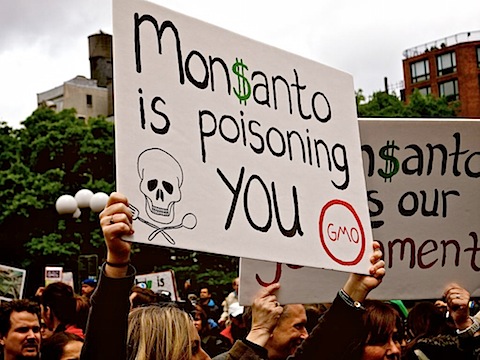
The earthquake that hit Haiti in January is proving to be a lucky business break for Monsanto. They are offering Haiti's farmers a deadly gift -- 475 metric tons of genetically-modified (GM) seeds, plus associated fertilizer and pesticides.


201006031437.jpgThese GM seeds have been declared dangerous by many countries.

According to Global Research:

"Soon there will be only Monsanto seeds in Haiti. Then it will be goodbye to farmers' independence ... But Haitian farmers wishing to use them for future harvests will have to pay royalties to Monsanto."

Sources:

Global Research May 11, 2010

  • Currently 3/5
  • 1
  • 2
  • 3
  • 4
  • 5
Rating: 3/5 (4 votes cast)

The Huffington Post
May 5, 2010
Shiv Chopra
Microbiologist and human rights activist
Posted: May 3, 2010 11:47 AM

I am one of many million Indians who during the last couple of hundred years settled abroad. I have lived in Canada for the last 50 years. Coming here initially as a post-graduate student of agro-medical sciences I made it my home in 1960. Since then, I earned a Masters and Ph.D. in microbiology and a fellowship of the World Health Organization in international safety and efficacy standards for vaccines. During 1969-2004 I worked as a senior food and drug regulator at Health Canada. I was partly responsible for the Canadian rejection of rBGH.

Canada may not be richest country on earth but it is pretty close to it. With vast amounts of arable land, fresh water and well educated farmers it can feed its entire population of 33 million on the healthiest of food. But, it does not. Another country that comes close to Canada in this regard is its next door neighbor and closest trading partner -- the United States. Most food in both these countries is heavily contaminated with hormones, antibiotics, slaughterhouse wastes, Genetically Modified Organisms (GMOs) and pesticides. Due partly to these substances in food production there occurs in both these countries a greater and greater incidence of food-borne disease (FBD). The types of FBD that these products induce include cancer, antibiotic-resistant bacterial infections, neurological conditions, including Bovine Spongiform Disease (BSE), Creutzfeldt-Jakob Disease (CJD), diabetes, obesity, and cardiovascular, immune, reproductive, neurological and various other disorders.

  • Currently 2/5
  • 1
  • 2
  • 3
  • 4
  • 5
Rating: 2/5 (3 votes cast)

Xenophilia

April 29, 2010


201004301149.jpg

Supreme Court justices sounded skeptical Tuesday of a federal court decision blocking US biotech giant Monsanto’s sale of genetically modified alfalfa because some farmers fear their crops will be contaminated.

A federal judge in California in May 2007 ruled in a finding upheld on appeal in 2009 to block the sale of Monsanto’s GM alfalfa seeds.

The ruling also asked the USDA to carry out an environmental impact study which it had not done before giving a green light back in 2004 to the sale of these seeds.

Plaintiffs, who are organic farmers supported by organizations such as the Center for Biological Diversity, worry that genetically modified seeds will contaminate their crops.

  • Currently 3/5
  • 1
  • 2
  • 3
  • 4
  • 5
Rating: 3/5 (4 votes cast)

SPIEGEL ONLINE

04/27/2010 03:41 PM

Food Companies Say No to Genetically Modified Potatoes

Some of Germany's leading food companies have indicated that they won't be using genetically modified potatoes any time soon, according to a recent survey. Several fear use of the GM crops in their products could damage their public images.

Public pressure has led several of the largest potato chip and french fry manufacturers within Germany to say they would shy away from using genetically modified (GM) potatoes -- even if they get approved for human consumption.

According to the results of a survey released this month by the German branch of the environmental organization Greenpeace, a number of snacks and fast food giants including Burger King, McDonald's, German seafood chain Nordsee and chipmaker Lorenz Snack-World have all said they would not use GM potatoes -- at least for the time being. A number said they feared their companies' public images would be damaged, and some said use of GM potatoes would drive up quality control costs.

  • Currently 5/5
  • 1
  • 2
  • 3
  • 4
  • 5
Rating: 5/5 (1 votes cast)

NewsWithViews.com

By Jeffrey Smith
April 26, 2010

"This study was just routine," said Russian biologist Alexey V. Surov, in what could end up as the understatement of this century. Surov and his colleagues set out to discover if Monsanto's genetically modified (GM) soy, grown on 91% of US soybean fields, leads to problems in growth or reproduction. What he discovered may uproot a multi-billion dollar industry.

After feeding hamsters for two years over three generations, those on the GM diet, and especially the group on the maximum GM soy diet, showed devastating results. By the third generation, most GM soy-fed hamsters lost the ability to have babies. They also suffered slower growth, and a high mortality rate among the pups.

And if this isn't shocking enough, some in the third generation even had hair growing inside their mouths - a phenomenon rarely seen, but apparently more prevalent among hamsters eating GM soy.

  • Currently 5/5
  • 1
  • 2
  • 3
  • 4
  • 5
Rating: 5/5 (1 votes cast)

Jim Riddle
Rodale Institute
April 12, 2010

201004161202.jpg

Despite fundamental differences in what they represent, there are occasional calls to allow the use of genetic engineering (which produces genetically modified organisms, known as GMOs) within the USDA National Organic Program. GMO varieties are currently most widespread in corn, soybean, canola and cotton crops, in dairy production, and in minor ingredients, such as dairy cultures, used in food processing, but new products are being introduced and commercialized.

  • Currently 0/5
  • 1
  • 2
  • 3
  • 4
  • 5
Rating: 0/5 (0 votes cast)

Sott.net

Jeffrey M. Smith

Dr. Mercola

March 25, 2010

The American Academy of Environmental Medicine (AAEM) has called on all physicians to prescribe diets without genetically modified (GM) foods to all patients.[1] They called for a moratorium on genetically modified organisms (GMOs), long-term independent studies, and labeling, stating,

   "Several animal studies indicate serious health risks associated with GM food, including infertility, immune problems, accelerated aging, insulin regulation, and changes in major organs and the gastrointestinal system.

   ...There is more than a casual association between GM foods and adverse health effects. There is causation..."

  • Currently 5/5
  • 1
  • 2
  • 3
  • 4
  • 5
Rating: 5/5 (1 votes cast)

Institute of Science in Society

AVAAZ.org

GM FOOD: FACTS NOT CROPS

The European Commission has just approved growing genetically modified crops for the first time in 12 years, putting the GM lobby's profits over public concerns - 60% of Europeans feel we need more information before growing foods that could threaten our health and environment.

A new initiative allows 1 million EU citizens a unique chance to make official requests of the European Commission. Let's build a million voices for a ban on GM foods until the research is done. Sign the petition below and spread the word.

Don't forget to include your address so that all of our signatures count for the citizens' initiative.

http://www.avaaz.org/en/eu_health_and_biodiversity/98.php?CLICK_TF_TRACK

To the President of the European Commission José Manuel Barroso: We call on you to put a moratorium on the introduction of GM crops into Europe and set up an independent, ethical, scientific body to research the impact of GM crops and determine regulation.

  • Currently 5/5
  • 1
  • 2
  • 3
  • 4
  • 5
Rating: 5/5 (2 votes cast)

Sott.net

ScienceDaily

March 23, 2010

High fructose corn syrup, which some studies have linked to obesity, may also be harmful to the liver, according to Duke University Medical Center research.

"We found that increased consumption of high fructose corn syrup was associated with scarring in the liver, or fibrosis, among patients with non-alcoholic fatty liver disease (NAFLD)," said Manal Abdelmalek, MD, MPH, associate professor of medicine in the Division of Gastroenterology/Hepatology at Duke University Medical Center.

Her team of researchers at Duke, one of eight clinical centers in the Nonalcoholic Steatohepatitis Clinical Research Network, looked at 427 adults enrolled in the network. They analyzed dietary questionnaires collected within three months of the adults' liver biopsies to determine their high fructose corn syrup intake and its association with liver scarring.

  • Currently 5/5
  • 1
  • 2
  • 3
  • 4
  • 5
Rating: 5/5 (1 votes cast)

February 2010 - Bolivia has challenged, during the World Trade Organization (WTO) negotiations of the Council for Trade-Related Aspects of Intellectual Property Rights (TRIPS), the prevailing philosophy of the patentability of life forms.


LaPazBolivia.jpg

Bolivia's capital city La Paz - by Sepp


The purpose of the ongoing negotiations is reviewing Article 27.3(b) of the TRIPS agreement, which states:

"Members may also exclude from patentability: plants and animals other than micro-organisms, and essentially biological processes for the production of plants or animals other than non-biological and microbiological processes. However, Members shall provide for the protection of plant varieties either by patents or by an effective sui generis system or by any combination thereof. The provisions of this subparagraph shall be reviewed four years after the date of entry into force of the WTO Agreement."

The patenting of life forms has brought serious problems, especially for farmers (see the case of Monsanto against Schmeiser for violation of its patent on genetically modified canola seeds) and for the biological resources of whole countries who find that all of a sudden, their herbs and traditionally used seeds varieties may have been patented by a multinational corporation to exclusively exploit, leaving the country or culture of origin high and dry. An apt expression that has been coined for this kind of theft is "biopiracy". According to an article in Wikipedia, "Biopiracy is a term used to describe situations where corporations from the developed world claim ownership of, or otherwise take unfair advantage of, the genetic resources and traditional knowledge and technologies of developing countries."

So one might applaud the Bolivians for taking up the issue of the patentability of life as part of the ongoing review of the TRIPS agreement. Here are some excerpts of the arguments in their lengthy submission:

  • Currently 5/5
  • 1
  • 2
  • 3
  • 4
  • 5
Rating: 5/5 (2 votes cast)

OpEdNews.com

By Carolyn Moffa

Published 03/12/10

Corporatism: Say No to G.M.O!

This week I heard a disturbing commercial on the radio which was produced by Monsanto. If you aren't familiar with Monsanto already, they are the corporation who created Roundup weed killer and Agent Orange, the chemical which caused over 400,000 deaths and disabilities during the Vietnam War. Some of Monsanto's most recent controversies are engineering rBST (recombinant Bovine Somatotropin) or rBGH (recombinant Bovine Growth Hormone) and Genetically Modified Organisms or GMO's. These industrialized forms of food have saturated the diet of Americans for years now without consumers even noticing.

Genetically Modified Organisms are created through changing the DNA of a plant. Biotech engineers execute this by finding bacteria from the soil that is Roundup resistant and splicing its genes. They then create gaps in E. coli bacteria and mix it with the Roundup resistant DNA. After that, the mixed gene is injected into the original plant cell. When this happens, they are able to create the desired result of a "Roundup Ready" seed. After the DNA of a seed has been altered, it will kill any pest that eats the plant. Damaging health affects have been found in rodents that genetically modified foods have been tested on and animals all around the world have died after eating BT crops for only one day.

  • Currently 5/5
  • 1
  • 2
  • 3
  • 4
  • 5
Rating: 5/5 (1 votes cast)

Hartford Courant

March 14, 2010

Ex-Pfizer Worker Cites Genetically Engineered Virus In Lawsuit Over Firing

By Edmund H. Mahony

Medical experts will be watching closely Monday when a scientist who says she has been intermittently paralyzed by a virus designed at the Pfizer laboratory where she worked in Groton opens a much anticipated trial that could raise questions about safety practices in the dynamic field of genetic engineering.

Organizations involved in workplace safety and responsible genetic research already have seized on the federal lawsuit by molecular biologist Becky McClain as an example of what they claim is evidence that risks caused by cutting-edge genetic manipulation have outstripped more slowly evolving government regulation of laboratories.

  • Currently 5/5
  • 1
  • 2
  • 3
  • 4
  • 5
Rating: 5/5 (1 votes cast)

Potato Drags GM Food Into Europe

| | Comments (0)

Sott.net

David Cronin

IPS News

March 5, 2010

Brussels - Genetically modified (GM) foods appear to be back on the European Union's political menu - thanks to a potato.

Manufactured by the German chemical firm BASF, a potato named Amflora became the first GM crop to be authorized for cultivation by the EU's executive arm, the European Commission, in 12 years Mar. 2.

It is unlikely that the same length of time will elapse before the next such approval is granted by Brussels officials. Files relating to 17 other GM crops - including varieties of maize, oilseed rape and more potatoes - are on those officials' desk and awaiting a formal rubber-stamp.

Although many of the EU's governments are opposed to the introduction of GM foods, the Commission's most powerful representatives have long been eager to resume the approval of new varieties. Last year, it sought unsuccessfully to force France and Greece to ditch moratoriam they had placed on the planting of Mon-810, a corn variety developed by the American multinational Monsanto.

  • Currently 0/5
  • 1
  • 2
  • 3
  • 4
  • 5
Rating: 0/5 (0 votes cast)

AlterNet

By Sara Novak, TreeHugger

March 10, 2010

After a 13-year battle, the largest chemical company in the world, BASF won approval from the European Commission to begin commercially growing a genetically modified potato for industrial use. Many onlookers were more than a little surprised by the decision considering the Commission's formerly skeptical approach to GMOs. The decision has incited fury amongst harsh critics which included Italy and Austria who fear a health disaster.

A decision by the European Commission to allow the commercial growing of Amflora, a genetically modified starchy potato, is causing deep seated anger from a part of the world traditionally whole heartedly opposed to GMOs. The potatoes will be grown in Germany, Sweden, the Netherlands, and the Czech Republic. Amflora is currently only approved for starch production, not human consumption, but the leftover skins will be fed to cattle. It will used for industrial purposes like paper and yarn production and making spray concrete. Currently, Europe has the strictest labeling policies in the world with regards to identifying genetically modified foods, compared to the US, which has little to no GMO labeling.

  • Currently 0/5
  • 1
  • 2
  • 3
  • 4
  • 5
Rating: 0/5 (0 votes cast)

Wave Genetics has shown that genetic traits can be changed, activated and disactivated by use of resonant waves, beamed at the DNA. The proponents of Wave Genetics have, through well-designed and implemented double-blind experiments, physically and clinically, repeatedly proven the ability of Wave Genetics technology to regrow vital internal organs, in vivo, without the requirement of difficult, dangerous and expensive surgical procedures. Applications of Wave Genetics technologies have uncovered the entire range of functionality of the DNA (including the functions of so-called "junk DNA) and the entire Genome. Wave Genetics makes the entirety of the DNA system available and directly controllable, for the direct benefit of all life, without the need for dangerous and antiquated "recombinant DNA" methods, and without the need for any "stem cell" culturing techniques. Additional applications which arise from Wave Genetics include a very reliable life extension technology, which could be easily applied to any living being, no surgical intervention required.


petergariaev2.jpg

Dr. Peter Gariaev - image from Kreaprenör


Wave Genetics has been researched principally in Russia, by a group of scientists around Dr. Peter Gariaev, the discoverer of the DNA phantom effect. That research has recently come to an abrupt halt, as a result of heavy handed intervention by some high level "skeptics" in the Russian Academy of Sciences. Skeptics are the watchdogs of orthodoxy. Those operating in the field of medicine call themselves quackbusters, but every scientific endeavor has their dedicated 'skeptics' who watch that no new paradigms should evolve and who attack anyone coming even close to changing the status quo in science.

Perhaps it is no accident that the work of Gariaev and his team has come under attack, since Wave Genetics promises to make today's genetic engineering look like the Wright brothers' first flight, compared with a modern airliner. With huge sums of money invested by the likes of Monsanto and Genentech in today's comparatively very 'old hat' recombinant genetic modification technologies, it is no wonder that those developing the successor technology are being viciously attacked.

Robert Neil Boyd has been in contact with Gariaev and has written a short piece exposing this ongoing suppression of scientific research:


The Mistaken Suppression of the Next Generation of Medical Practices
("Wave Genetics") by the Russian Academy of Science


A group internal to the Russian Academy of Science, called the "Group to Combat Pseudoscience in Russia" often goes well beyond the bounds of highly regarded bedrock scientific research principles, such as Popp's Criteria, particularly regarding recent empirical and powerful experimental results in genetics research. This group has long been known for attacking and suppressing any theoretical results which fall outside of the boundaries of of what is deemed to be "officially acceptable".

Acceptable according to whom? Exxon? The Bilderberg group? Donald Duck?

Or is it that whoever pays the leader of this "combating pseudoscience" group, Krugliakov, the most money, gets whatever ruling they want, from out of the group??

It is clear that Krugliakov has acted to revive a former soviet policy regarding Russian science called "Neolysenkoism", a policy which suppresses and attacks all "unacceptable" scientific results and theories, and attacks all "dissenting" scientific results and theories.

And who defines what exactly is "Pseudoscience", and according to what exacting scientific criteria? Certainly it is clear that Popp's Criteria for accuracy in the sciences are not any part of the reasonings behind the efforts of this "Pseudoscience" group.

In fact, the activities of this "Group to Combat Pseudoscience in Russia" should themselves properly be termed as "Pseudoscience", since they often act with no rational scientific basis, and make policy decisions with no scientific justification whatsoever. They should be required to justify and exactly prove their findings, just as any other scientific endeavor is expected to do.

Science is a quest for the Truth, trying to discover the actual facts of the behaviors of Nature, so that we can use these facts in beneficial ways. Truth in Science is not based on the popularity of some theoretical belief, nor popular opinion. Science is not based on personal conveniences, personal advantages, or preferences.

Either a thing is true or it is not. We don't get to vote on such things as to whether gravity will cause things which are dropped, to fall towards the center of the planet. We are in the position where it is our condition to try to understand the inner workings of how the Universe operates. Then, we should use our understandings to the advantage of All Life.

We are not in any position to dictate terms to the Universe regarding what is or is not "acceptable behavior" on the part of the Universe, as according to some theory or belief or preference or another, such as relativity theory or string theory. The Universe is how it is and acts the way it acts. And it is up to us to understand the Universe, as it is. Not as it should be according to the preferences of some corporation with vested monetary interests or according to some political advantage or preference.

The recent suppressive dismantling of a hugely promising set of physically proved results in Genetics Research, which meet Popp's Criteria, called "Wave Genetics", by Krugliakov and the "Group to Combat Pseudoscience in Russia", is certainly not due to any proper scientific method. This group's agenda is highly questionable, and is certainly not in the best interests of Science, nor are these suppressive behaviors in the best interests of Life and Humanity.

Wave Genetics has, through well-designed and implemented, double-blind experiments, physically and clinically, repeatedly proven the ability of the Wave Genetics technology to re-grow vital internal organs, in vivo, without the requirement of expensive and difficult and dangerous surgical procedures. Applications of Wave Genetics technologies have uncovered the entire of the DNA functionality (including the functions of so-called "junk DNA) and the entire of the Genome. Wave Genetics makes the entirety of DNA system available and directly controllable, for the direct benefit of All Life, without the need for dangerous and antiquated "recombinant DNA" methods, and without the need for any "stem cell" culturing techniques.

There are vast numbers of additional applications which arise from Wave Genetics, in addition to regenerating various body parts without the requirement for invasive techniques, such as a very reliable life extension technology, which can be easily applied to any living being, with no surgical intervention required. For this technology to be at all looked down on, casts shame on the Russian Academy of Science, a body which is expected to be above and beyond all political movements and personal preferences, inspired to bring forth the best possible results to all of science and to all of Life.

I have found another piece of relevant information on wave genetics, an open letter by Dr. Peter Gariaev which you will find just below, as the second part of this article.

  • Currently 2.9/5
  • 1
  • 2
  • 3
  • 4
  • 5
Rating: 2.9/5 (11 votes cast)

November 28, 2009
By NISHOREN, Posted by Stephen Fox (about the submitter)
opednews.com
For OpEdNews: Posted by Stephen Fox - Writer
from: http://www.nishoren.org/en/?p=551

Labelled only as "amino acid and others"

On September 14, 2009, two new food additives from Ajinomoto were judged to be "safe" by the Expert Committee for Genetically Modified Food and Others at the Food Safety Commission (FSC). The appraisal was open for public comments and it seems likely that the two novel amino acids will be approved by the Ministry of Health, Welfare and Labour by the end of November.

So far, several GMO food additives have been approved, but they were basically used for food processing, as in the case of enzymes like alpha amylase for improved productivity. There have been no cases of GMO food additives that are used directly as seasoning as is the case of amino acids. Thus, when Ajinomoto first submitted these GMO products, there were no established method for safety appraisal.

That was why the Food Safety Commission has published a "Directive for safety assessment of food additives which are produced using genetically modified micro-organisms and which are highly refined and have non-protein characteristics, including amino acids." (Many studies have verified that the process of genetic engineering can produce unpredicted toxins or allergens.)

  • Currently 5/5
  • 1
  • 2
  • 3
  • 4
  • 5
Rating: 5/5 (2 votes cast)

Farm Wars
By Barbara H. Peterson
May 18, 2008


bag-seeds-t.gif

Monsanto and its cohorts in crime promised us that they would not be using Terminator technology called GURT, or genetic use restricted technology. In fact, the United Nations actually issued a moratorium on the project. So we’re safe, right? Wrong.

As usual, the boys in the little white lab coats have not been idle. In spite of the moratorium, not only are they working heatedly on Terminator technology, but are getting ready to introduce Zombie technology. Terminator, and Traitor or Zombie technologies are just variations of GURT. Whereas Terminator technology produces plants with sterile seeds, Zombie technology carries this a step further by creating plants that could require a chemical application to trigger seed fertility every year. Pay for the chemical or get sterile seed. This is called reversible transgenic sterility. They have been working steadily on perfecting this technology, and are now poised to introduce it to the world as a solution to the current GMO contamination problem. Move over Terminator, here comes the Zombie.

  • Currently 5/5
  • 1
  • 2
  • 3
  • 4
  • 5
Rating: 5/5 (1 votes cast)

Germany Bans Cultivation of GM Corn

| | Comments (1)

SPIEGEL ONLINE
04/14/2009
MONSANTO UPROOTED

Germany has banned the cultivation of GM corn, claiming that MON 810 is dangerous for the environment. But that argument might not stand up in court and Berlin could face fines totalling millions of euros if American multinational Monsanto decides to challenge the prohibition on its seed.

The sowing season may be just around the corner, but this year German farmers will not be planting gentically modified crops: German Agriculture Minister Ilse Aigner announced Tuesday she was banning the cultivation of GM corn in Germany.

200904151713.jpg

Greenpeace activists take a sample from a Monsanto test site near Borken in North Rhine-Westphalia: The GM crop MON 810 has been banned in Germany.

  • Currently 3/5
  • 1
  • 2
  • 3
  • 4
  • 5
Rating: 3/5 (4 votes cast)

Digital Journal
April 2, 2009

South African farmers suffered millions of dollars in lost income when 82,000 hectares of genetically-manipulated corn (maize) failed to produce hardly any seeds.The plants look lush and healthy from the outside. Monsanto has offered compensation.

Monsanto blames the failure of the three varieties of corn planted on these farms, in three South African provinces,on alleged 'underfertilisation processes in the laboratory". Some 280 of the 1,000 farmers who planted the three varieties of Monsanto corn this year, have reported extensive seedless corn problems.

Urgent investigation demanded

However environmental activitist Marian Mayet, director of the Africa-centre for biosecurity in Johannesburg, demands an urgent government investigation and an immediate ban on all GM-foods, blaming the crop failure on Monsanto's genetically-manipulated technology.

Willem Pelser, journalist of the Afrikaans Sunday paper Rapport, writes from Nelspruit that Monsanto has immediately offered the farmers compensation in three provinces - North West, Free State and Mpumalanga. The damage-estimates are being undertaken right now by the local farmers' cooperative, Grain-SA. Monsanto claims that 'less than 25%' of three different corn varieties were 'insufficiently fertilised in the laboratory'.

  • Currently 5/5
  • 1
  • 2
  • 3
  • 4
  • 5
Rating: 5/5 (1 votes cast)

CommonDreams.org
Published on Saturday, March 28, 2009 by St Louis Post-Dispatch (Missouri)
by Jeffrey Tomich

Earlier this month, a blogger named Brad fired a virtual salvo at Jeffrey Smith, the author of "Seeds of Deception" and one of the most vocal crusaders against genetically modified foods.

In a 600-word post, Brad questioned the credibility of an online petition on Smith's website, urging the administration of President Barack Obama to require labeling of biotech foods. He called the petition "sheer political theater" and prodded the activist for purportedly being a yogic flying instructor.

More than 30 comments followed in the next few weeks. On one level, the exchange was just another online debate about GMOs. But this one was notable because of who initiated and hosted it: Monsanto Co.

For years, environmental and food activists have made good use of YouTube video and Facebook to skewer Monsanto in the blogosphere. Now, the biotech giant is turning the tables.

  • Currently 5/5
  • 1
  • 2
  • 3
  • 4
  • 5
Rating: 5/5 (1 votes cast)
The West Georgian
Cass C. Carter
March 11, 2009

Crimes against humanity and nature have been committed and hidden on the back pages of newspapers around the world. The Monsanto Corporation, with the help of corporation-friendly judiciaries around the world, has been systematically aiming for complete agricultural hegemony through abusive litigation, aggressive lobbying and questionable patent law interpretation.

In case you don't know who Monsanto is, they were founded in 1901 and helped introduce caffeine into Coca-Cola. Not too bad for the average college student, but their major spring board into becoming one of the top 10 chemical producers in the United States was the manufacture of DDT, which was a major cause in endangering the bald eagle, and Agent Orange, which was used in Vietnam and whose effects on both American soldiers and Vietnamese civilians are so notorious.

Monsanto is listed as being a "potentially responsible party" for 56 EPA "Superfund" sites, where there is a high risk of danger to human life due to toxic waste contamination, and that's just in the United States alone.

  • Currently 5/5
  • 1
  • 2
  • 3
  • 4
  • 5
Rating: 5/5 (5 votes cast)

Reuters
Pete Harrison
March 2, 2009

Austria and Hungary reaffirmed their sovereign right on Monday to ban growing genetically modified maize after EU environment ministers squashed more attempts by the European Commission to lift the restrictions.

In a stinging rebuff to the EU's executive arm, an overwhelming majority of countries -- at least 21 out of the bloc's 27 member states -- voted against draft orders for Vienna and Budapest to end their GM crop bans within 20 days.

EU law provides for national GMO bans under certain cicumstances if the government can justify the prohibition.

It was the third time that the Commission had tried to get Austria's bans lifted and the second time for Hungary, with all the attempts roundly rejected by ministers in the past.

National GMO bans are the only area of EU biotech policy where countries can muster enough consensus under the bloc's complex weighted voting rules to secure an agreement. On applications for new GM products, for example, they are always deadlocked, leading to default approvals by the Commission.

  • Currently 0/5
  • 1
  • 2
  • 3
  • 4
  • 5
Rating: 0/5 (0 votes cast)

Nationalpost.com
February 18, 2009
by Vanessa Farquharson


image_pepsithrowback1.jpg

Everyone knows about the evils of HFCS (high-fructose corn syrup), whether it's the environmental damage caused by genetically modified monocrops or the health side effects like diabetes. And of course, soft drinks tend to have some of the highest concentrations of this stuff.

As the folks at Bev-Review.com have revealed, at some point in the middle of April, PBV (Pepsi Bottling Ventures) will begin distributing Pepsi Throwback and Mountain Dew Throwback, which come in retro-designed cans and are made with sugar instead of HFCS. This comes after a few successful ventures in the UK (Pepsi Raw) and Mexico (Pepsi Retro).

Although it's unclear whether these products will be coming to Canada as well as the U.S., it's a safe bet they will. And if not, well, make sure to stock up during Passover, which is coming up soon (April 8th, to be exact).

  • Currently 1/5
  • 1
  • 2
  • 3
  • 4
  • 5
Rating: 1/5 (1 votes cast)

Sott.net
OpEd News
Linn Cohen-Cole
February 16, 2009

[Editors' note: Community-Supported Agriculture or C.S.A., is the distribution system in which people buy shares in return for a weekly allotment of local fresh farm food.]

The New York Times ran on a piece on CSAs doing well despite the economy.

Forgive me, I am so boggled by the ironies that my computer is stuttering.

The New York Times is in New York state which is responsible for the fact that CSAs are actually in terrible trouble and that trouble stems directly from a New York source, Hillary Clinton. She pushed a centralized Food Safety Department when she ran for president, one that would bring together the USDA and FDA, giving them vastly more power over food. Both agencies are grossly corrupted by Monsanto so the multiplication of power accrues powerfully to Monsanto.

  • Currently 4.1/5
  • 1
  • 2
  • 3
  • 4
  • 5
Rating: 4.1/5 (8 votes cast)
OpEdNews
February 3, 2009
By Linn Cohen-Cole

People say if farmers don't want problems from Monsanto, just don't buy their GMO seeds.

Not so simple. Where are farmers supposed to get normal seed these days? How are they supposed to avoid contamination of their fields from GM-crops? How are they supposed to stop Monsanto detectives from trespassing or Monsanto from using helicopters to fly over spying on them?

Monsanto contaminates the fields, trespasses onto the land taking samples and if they find any GMO plants growing there (or say they have), they then sue, saying they own the crop. It's a way to make money since farmers can't fight back and court and they settle because they have no choice.

And they have done and are doing a bucket load of things to keep farmers and everyone else from having any access at all to buying, collecting, and saving of NORMAL seeds.

  • Currently 5/5
  • 1
  • 2
  • 3
  • 4
  • 5
Rating: 5/5 (2 votes cast)

What's to Know About GMO?

| | Comments (1)

Sott.net
Dan Eskelsom
Garden Journal
February 3, 2009

Genetically modified organisms (GMO) have become a hot topic among farmers, environmentalists, gardeners and others concerned with food and environmental safety. Some folks believe that GMO technology is "the single most potent technology the world has ever known" and capable of causing incurable damage to our species' well being.

Here is a very simple explanation of the issue: Monsanto, the producer of the infamous chemicals Agent Orange and PCB, has developed a biotechnology that alters the genetic makeup of seeds. The original and ongoing intent of the technology is to allow mass spraying of herbicide over entire fields without hurting the crop.

Seeds are altered to produce plants that are not affected by herbicide, so farmers can broadcast spray huge amounts of Monsanto's Roundup herbicide without affecting the food crop. Did I say not affecting? That is what Monsanto would have you believe, but common sense and the evidence indicates otherwise.

  • Currently 4.5/5
  • 1
  • 2
  • 3
  • 4
  • 5
Rating: 4.5/5 (2 votes cast)

The Liberty Voice
Greenpeace
January 13, 2009


corn-condom-216x300.jpgIndia — New research from Austria shows that a commercial strain of Monsanto-made GE corn causes mice to have fewer and weaker babies. What is this doing to human fertility?

Regulators around the world said Monsanto’s GE corn was as safe as non-GE strains.

It has been approved in many countries and regions including the US, the EU, Argentina, Japan, Philippines and South Africa.

China approved the GE corn for animal feed back in 2005.

Until this research, under the Austrian Ministries for Agriculture and Health, none of the regulators had seriously questioned the safety of Monsanto’s GE corn.

The biotech industry is playing a game of genetic roulette with our food and with our health.

  • Currently 5/5
  • 1
  • 2
  • 3
  • 4
  • 5
Rating: 5/5 (3 votes cast)

www.opednews.com

November 16, 2008

by Institute for Responsible Technology (Posted by sadelaine)

Austrian Government Study Confirms Genetically Modified (GM) Crops

Threaten Human Fertility and Health Safety

Advocates Call for Immediate Ban of All GM Foods and GM Crops

IMMEDIATE RELEASE (November 13, 2008)

(Los Angeles, CA.) - A long-term feeding study commissioned by the Austrian Agency for Health and Food Safety, managed by the Austrian Federal Ministry of Health, Family and Youth, and carried out by Veterinary University Vienna, confirms genetically modified (GM) corn seriously affects reproductive health in mice. Non-GMO advocates, who have warned about this infertility link along with other health risks, now seek an immediate ban of all GM foods and GM crops to protect the health of humankind and the fertility of women around the world.

Feeding mice with genetically modified corn developed by the US-based Monsanto Corporation led to lower fertility and body weight, according to the study conducted by the University of Veterinary Medicine in Vienna. Lead author of the study Professor Zentek said, there was a direct link between the decrease in fertility and the GM diet, and that mice fed with non-GE corn reproduced more efficiently.

  • Currently 4.4/5
  • 1
  • 2
  • 3
  • 4
  • 5
Rating: 4.4/5 (7 votes cast)

www.opednews.com
November 5, 2008
by DrTruth

Big business greed, selfishness, power lust, and total disregard for human life and all life in the natural world continues on with its diabolical schemes to control all food production in the world. Monsanto's attempts to patent pig genes, and subsequently, many other life forms through genetically modified organisms (GMO) is as criminal as they come.

It is bad enough that Monsanto's total vanity and ego could believe they own any aspect of the natural world, regardless of what they might do to it, for them to do this for money and control is insult to injury. This is a purely evil agenda and they are a clear example of domestic terrorists at work to subjugate others.

Imagine this: You have a field of corn you are raising cleanly... without GMO corn seed. Your neighboring fields have those GMO seeds and crops. The pollen from those fields cross with your clean corn plants, carrying the genetic material Monsanto's perverted corn contains. Now, your corn crop can be claimed as their property because of their patented gene found in your crop and they can either demand a fee from you for having this gene, or put you out of business with a lawsuit.

  • Currently 5/5
  • 1
  • 2
  • 3
  • 4
  • 5
Rating: 5/5 (6 votes cast)

Comanche County Chronicle, Elgin, OK, September, 2008
from Institute for Responsible Technology, Spilling the Beans newsletter on GM Foods
by Jeffrey M. Smith, author of Seeds of Deception

Before the Appleton Wisconsin high school replaced their cafeteria's processed foods with wholesome, nutritious food, the school was described as out-of-control. There were weapons violations, student disruptions, and a cop on duty full-time. After the change in school meals, the students were calm, focused, and orderly. There were no more weapons violations, and no suicides, expulsions, dropouts, or drug violations. The new diet and improved behavior has lasted for seven years, and now other schools are changing their meal programs with similar results.

Years ago, a science class at Appleton found support for their new diet by conducting a cruel and unusual experiment with three mice. They fed them the junk food that kids in other high schools eat everyday. The mice freaked out. Their behavior was totally different than the three mice in the neighboring cage. The neighboring mice had good karma; they were fed nutritious whole foods and behaved like mice. They slept during the day inside their cardboard tube, played with each other, and acted very mouse-like.

  • Currently 3.6/5
  • 1
  • 2
  • 3
  • 4
  • 5
Rating: 3.6/5 (8 votes cast)
Monsanto Company

Image via Wikipedia

opednews.com

July 23, 2008
by Linn Cohen-Cole

Where does one even begin?

Do you know who Monsanto is? They are a chemical corporation which made Agent Orange and after that, PCBs, with which they drowned the town of Anniston, Alabama for decades, even after knowing for sure that PCBs were highly carcinogenic. They make organophosphates, including glyphosate (Round-up) - which are highly neuro-toxic.

With this background in illness and killing, Monsanto then began "doing" your food. It genetically engineers food.

But before you say "Oh, that's good because genetic engineering is making food better, adding vitamins, growing bigger crops, ..." I have bad news for you. Please go to http://www.responsibletechnology.org and listen to Jeffrey Smith's lecture on how genetic engineering works and what it does to organs.

And as the greater yield PR, I suggest you read: http://www.i-sis.org.uk/IBTCF.php about the Bt-cotton fraud in India while Monsanto claims to have increased yield by 160%. http://www.monsanto.com/biotech-gmo/asp/news.asp?newsId=nr20070917&yr=2007 What do Indian farmers say? Indian farmers call Monsanto's Bt-cotton seeds, the Seeds of Death. http://www.organicconsumers.org/ge/indiacotton012406.cfm

Beyond India, there are also problems. http://www.slogefree.org/news07/a-disaster-in-search-of-success-bt-cotton-in

Zemanta Pixie
  • Currently 4/5
  • 1
  • 2
  • 3
  • 4
  • 5
Rating: 4/5 (4 votes cast)

Critical Pesticide Program Cut

| | Comments (0)

thedailygreen
May 21, 2008

The USDA Is Eliminating a Program That Many Groups Rely on to Track Pesticide Use and Safety — but Why?

Spraying-Pesticides-Crops-L

Every year the USDA's National Agricultural Statistics Service (NASS) conducts research on pesticide use and risk associated with various crops, such as corn, soybeans, cotton, and wheat, and the body then releases its data files. That data is used by chemical groups, trade groups, public interest groups and government agencies to track pesticide use and safety, and several advocates say it is the only reliable, publicly searchable database of its kind.

In 2007, however, the USDA scaled back its data collection, and only gathered information on cotton, apples and organic apples. Now, the USDA has announced it will completely eliminate the program in 2008, due to budget cuts, and won't be collecting any data.

  • Currently 5/5
  • 1
  • 2
  • 3
  • 4
  • 5
Rating: 5/5 (3 votes cast)

Common Dreams News Center
May 13, 2008
The Washington Post
by Rick Weiss

A handful of the world’s largest agricultural biotechnology companies are seeking hundreds of patents on gene-altered crops designed to withstand drought and other environmental stresses, part of a race for dominance in the potentially lucrative market for crops that can handle global warming, according to a report being released today.

Three companies — BASF of Germany, Syngenta of Switzerland and Monsanto of St. Louis — have filed applications to control nearly two-thirds of the climate-related gene families submitted to patent offices worldwide, according to the report by the Ottawa-based ETC Group, an activist organization that advocates for subsistence farmers.

The applications say that the new “climate ready” genes will help crops survive drought, flooding, saltwater incursions, high temperatures and increased ultraviolet radiation — all of which are predicted to undermine food security in coming decades.

Company officials dismissed the report’s contention that the applications amount to an intellectual-property “grab,” countering that gene-altered plants will be crucial to solving world hunger but will never be developed without patent protections.

  • Currently 5/5
  • 1
  • 2
  • 3
  • 4
  • 5
Rating: 5/5 (1 votes cast)

Jolly gene giant

| | Comments (0)

Sott.net

Hope Shand
gristmill
May 2, 2008

A review of Claire Hope Cummings' Uncertain Peril

In October 1996, a spokesman for Monsanto told Farm Journal why his company was buying up seed companies left and right: "What you're seeing is not just a consolidation of seed companies, it's really a consolidation of the entire food chain."

Today, Monsanto is the world's largest seed company -- and makes more money selling seeds than chemicals. The company's biotech seeds and traits accounted for 88 percent of the worldwide area devoted to genetically modified seeds in 2006 -- and Monsanto earns royalties on every single one. No one needed to tell Monsanto: Whoever controls the first link in the food chain -- the seeds -- controls the food supply.

  • Currently 5/5
  • 1
  • 2
  • 3
  • 4
  • 5
Rating: 5/5 (2 votes cast)

Exposed: The Great GM Crops Myth

| | Comments (0)

Common Dreams
April 20, 2008 by The Independent/UK
By Geoffrey Lean

Genetic modification actually cuts the productivity of crops, an authoritative new study shows, undermining repeated claims that a switch to the controversial technology is needed to solve the growing world food crisis.

The study - carried out over the past three years at the University of Kansas in the US grain belt - has found that GM soya produces about 10 per cent less food than its conventional equivalent, contradicting assertions by advocates of the technology that it increases yields.

Professor Barney Gordon, of the university’s department of agronomy, said he started the research - reported in the journal Better Crops - because many farmers who had changed over to the GM crop had “noticed that yields are not as high as expected even under optimal conditions”. He added: “People were asking the question ‘how come I don’t get as high a yield as I used to?’”

He grew a Monsanto GM soybean and an almost identical conventional variety in the same field. The modified crop produced only 70 bushels of grain per acre, compared with 77 bushels from the non-GM one.

  • Currently 5/5
  • 1
  • 2
  • 3
  • 4
  • 5
Rating: 5/5 (2 votes cast)

On March 11 a new documentary was aired on French television (ARTE - French-German cultural tv channel) by French journalist and film ... all » maker Marie-Monique Robin, The World According to Monsanto - A documentary that Americans won't ever see. The gigantic biotech corporation Monsanto is threatening to destroy the agricultural biodiversity which has served mankind for thousands of years

FOLKS, I KNOW THIS IS A VERY LONG VIDEO, AN HOUR AND FORTY NINE MINUTES, BUT TRUST ME, YOU HAVE TO MAKE TIME TO WATCH THIS ONE. THEN REMEMBER, THESE ARE THE SAME PEOPLE INSISTING THAT THEIR GMO PRODUCTS HAVE NOTHING AT ALL TO DO WITH THE HONEYBEE DIE-OFF.

Reblog this post [with Zemanta]
  • Currently 4.4/5
  • 1
  • 2
  • 3
  • 4
  • 5
Rating: 4.4/5 (9 votes cast)

In May 2006, Aruna Rodrigues, an anti-GMO activist, filed a petition to the Indian Supreme Court asking that the court make sure the Indian government fulfill its obligation of actually testing the varieties of genetically modified seeds to be imported and grown in India.

The argument was that genetically modified organisms have not been adequately tested for safety and should not be released into the environment in India before they have been proven to not be a health hazard.

In August of that same year, the suit was extended to cover Monsanto's experimentation with genetically modified eggplant, called brinjal in India. The GM brinjal incorporated a gene to produce a bacterial toxin that would protect it from insect attacks. Of course the toxin would also be present in the fruit, and brinjal or eggplant happens to be a staple in the Indian kitchen. On that occasion, citing the death of numerous sheep that had grazed on the plants left after the harvest of similarly modified cotton plants, Rodrigues asked for a generalized moratorium on the release of genetically modified plants into the environment in India.

In October of that year, the Indian Supreme Court banned field trials of genetically modified crops, but apparently, the ban was lifted in February this year, after much pressure on the Indian authorities, but the court battle continues.

The arguments brought before the authorities in favor of genetic modification seem dubious at best and Aruna, the petitioner in the Public Interest Litigation before the Indian Supreme Court, takes a look at these arguments here, dissecting them one by one...

  • Currently 5/5
  • 1
  • 2
  • 3
  • 4
  • 5
Rating: 5/5 (2 votes cast)

CommonDreams News center
March 12, 2008 by Reuters
by Carey Gillam

Widespread contamination of U.S. corn, soybeans and other crops by genetically engineered varieties is threatening the purity of organic and natural food products and driving purveyors of such specialty products to new efforts to protect their markets, industry leaders said this week.

A range of players, from dairy farmers to natural food retailers, are behind an effort to introduce testing requirements and standards for certification aimed at keeping contamination at bay. That goal is rapidly becoming harder, however, as planting of biotech corn, soybeans, and other crops expands across the United States.

“Now there is a real shortage of organic grain for animal husbandry and dairy operations,” said Organic Consumers Association national director Ronnie Cummins. “People are having to be real careful.”

Proponents of the plan are rolling it out this week at an industry meeting in Anaheim, California, seeking to get the entire organic and natural foods industry to agree on testing and standard certifications. Companies that get certified will be allowed to use a seal designating as much on their products.

  • Currently 0/5
  • 1
  • 2
  • 3
  • 4
  • 5
Rating: 0/5 (0 votes cast)

Steve Lendman
February 22, 2008

This article discusses the potential health risks of genetically engineered foods (GMOs). It draws on some previously used material because its importance bears repeating. It also cites three notable books and highlights one in particular - Jeffrey Smith's "Genetic Roulette: The Documented Health Risks of Genetically Engineered Foods." Detailed information from the book is featured below.

Genetically engineered foods saturate our diet today. In the US alone, over 80% of all processed foods contain them. Others include grains like rice, corn and wheat; legumes like soybeans and soy products; vegetable oils, soft drinks; salad dressings; vegetables and fruits; dairy products including eggs; meat, chicken, pork and other animal products; and even infant formula plus a vast array of hidden additives and ingredients in processed foods (like in tomato sauce, ice cream, margarine and peanut butter). Consumers don't know what they're eating because labeling is prohibited, yet the danger is clear. Independently conducted studies show the more of these foods we eat, the greater the potential harm to our health.

  • Currently 5/5
  • 1
  • 2
  • 3
  • 4
  • 5
Rating: 5/5 (1 votes cast)

The Day Monsanto Falls

| | Comments (1)

The Day Monsanto falls...

by Jesaka Irwin

The Day Monsanto goes down will be a victorious day for Humanity... Will we converge in the streets as though World War III has ended... Or like the Funeral for Princess Di? Or will we allow the media to sugar coat it or simply ignore it and fall back asleep in our unawareness of what a triumphant victory it will actually be for the future of Humanity.

These Chemical Corporations have incited violent revolutions in other countries... People shot in the streets trying to protect thier food supply and individual health rights as their families are poisoned by the spraying and thieir crops destroyed. Yet we sit here and consume our slow death with great ease and acceptance. Believing that Humanity is actually benefiting and please show me a scientific document that proves we are living longer and healthier than we did before the Industrial Age?

While the small farmer disintegrates... our only hope in economic catastrophe wiped out by some mad scientist that has stumbled on the fact that controlling the food supply is the most solid way to control the World.

I am sorry but humanity has not evolved beyond its inherent nature to control the world that has been in existence and has created the most catastrophic realities since the beginning of time... do not pretend that somehow suddenly after 50 years since the last blatant holocaust that somehow people of power have suddenly stopped having these tendencies... I promise you they have simply become more clever.

Does no one notice how they have tried to patent such simple things like Turmeric, and Rooibos... and what about our genetic make up... our miracle genes that make us smart or disease resistant. Owned by the biotech industry or even worse the Pharmacuetical industry... Things not even native to the great America, things not invented but belonging to nature and humanity. Things that impede science and research and your ability to have a real cure or breakthrough.

Does no one care that while they destroy mother nature's natural evolution they are buying up native seed until nothing will be left but their inferior products. Welcome to the age of dependence and fear... the most powerful tools of control.

Does no one have the slightest bit of concern to look into the scientific research that shows the negative health effects, the antibiotic resistance, the ability to mutate dormant viruses, and most of all the ability to infiltrate human DNA? No, we continue to eat the soy... Oh you healthy Vegetarians you if you only knew. Poisoned by our own ignorance - we accept death like a means of attention getting. Does it really not affect us so we don't have to worry about it? Tell me then... what illnesses are your families dying from... can one of you claim immaculate health through your whole genetic line? Your parents' generation the blindest of all accepting their cancers and taking blame when the rise is due to serious changes in our food and environment... do you think we are benefited by the fact that it is also a major industry for profit making.

Slow Death - the biggest earner for the 20th Century.

What does it take for humanity to wake up and make a stand. Privatising everything... people die of thirst with a water plant next to them because their right to water has become some corporation's private interest as the Country itself tries to seek creative ways to free itself from the extortion. Dependence again. I begin to pray for the second coming and I am not even denominational as I start to wonder that that is the only hope for humanity.

I love the "NOW" but by ignoring our future what does that mean for our children, our children's children? We have a hundred years of escalating issues mounting year after year... and what is being done... Silenced voices fighting a war for us when simply our participation can catalyse the whole reality of truth. Can change the whole institution. Can manifest that golden age so many meditate on. We are brainwashed and brain dead. Letting them convince us that we are powerless. Following the pied piper into a consumerist matrix of every man for himself. My motivations too are myself and my family... and extend out to the whole of humanity... as their future is humanity's future... Maybe thats why they are discouraging us from having children... because without them we are inherently selfish... Focused only on Image and aquisition... No awareness of how empty and unhappy we are... cause we can just accept that is another of our flaws and eat the poison to remedy that too...
Eliminating the need to face our own demons and do the inner work necessary to transcend those negative emotions that are generally linked to a flawed reality where we are manipulated to live against our nature.

Forever aware of how our reality begins to resemble science fiction from the fourties I wonder when it will begin to resemble current day science fiction... and we notice less and less or simply disbelieve that it is actually part of the real reality because we watched it last week on The X Files... or in the latest made for TV movie. We can no longer distinguish the difference between the two. What a great triumph for the master minds... All marketing based on the clever awakening in the birth of PR... that we can be totally molded by our selfish desires... and we try to believe that somehow we are a superior species. Simply superior because some clever idiot figured out how to prey on our stupidity maybe.

WAKE UP AND SAVE YOURSELVES! I guess death is the greatest escape.

Jesaka Irwin 2007

  • Currently 5/5
  • 1
  • 2
  • 3
  • 4
  • 5
Rating: 5/5 (3 votes cast)

"Doomsday Seed Vault" in the Arctic

| | Comments (0)

OpEdNews
January 23, 2008
By F. William Engdahl
Global Research
December 4, 2007

One thing Microsoft founder Bill Gates can't be accused of is sloth. He was already programming at 14, founded Microsoft at age 20 while still a student at Harvard. By 1995 he had been listed by Forbes as the world's richest man from being the largest shareholder in his Microsoft, a company which his relentless drive built into a de facto monopoly in software systems for personal computers.

In 2006 when most people in such a situation might think of retiring to a quiet Pacific island, Bill Gates decided to devote his energies to his Bill and Melinda Gates Foundation, the world's largest 'transparent' private foundation as it says, with a whopping $34.6 billion endowment and a legal necessity to spend $1.5 billion a year on charitable projects around the world to maintain its tax free charitable status. A gift from friend and business associate, mega-investor Warren Buffett in 2006, of some $30 billion worth of shares in Buffet's Berkshire Hathaway put the Gates' foundation into the league where it spends almost the amount of the entire annual budget of the United Nations' World Health Organization.

  • Currently 5/5
  • 1
  • 2
  • 3
  • 4
  • 5
Rating: 5/5 (1 votes cast)

Global Research
December 4, 2007
By F. William Engdahl

One thing Microsoft founder Bill Gates can’t be accused of is sloth. He was already programming at 14, founded Microsoft at age 20 while still a student at Harvard. By 1995 he had been listed by Forbes as the world’s richest man from being the largest shareholder in his Microsoft, a company which his relentless drive built into a de facto monopoly in software systems for personal computers.

  • Currently 5/5
  • 1
  • 2
  • 3
  • 4
  • 5
Rating: 5/5 (2 votes cast)

Global Research
November 8, 2007
By Jeffery M. Smith

Genetically modified (GM) foods are inherently unsafe, and current safety assessments are not competent to protect us from or even identify most dangers. Overwhelming evidence to support this conclusion is now compiled in the book Genetic Roulette: The documented health risks of genetically engineered foods, which presents an abundance of adverse findings and theoretical risks associated with GM foods.1

  • Currently 5/5
  • 1
  • 2
  • 3
  • 4
  • 5
Rating: 5/5 (1 votes cast)

CommonDreams
November 6, 2007
by Lisa Shumaker

CHICAGO - Trace amounts of genetically modified varieties of rice that were found commingled in the U.S. rice supply in 2006 caused more than $1.2 billion in damages and additional costs, the environmental group Greenpeace International said on Monday.

U.S. rice exports fell sharply after Bayer CropScience, a division of Bayer, reported in 2006 that trace amounts of its biotech LibertyLink rice variety LLRICE601 were found in a widely grown variety of U.S. rice called Cheniere. Later, a second variety called Clearfield 131 was found to be contaminated with LLRICE604.

  • Currently 5/5
  • 1
  • 2
  • 3
  • 4
  • 5
Rating: 5/5 (1 votes cast)

Italian Farmers Protest Food Labeling

| | Comments (0)

CommonDreams.org
July 12, 2007 by Associated Press
by AP staffwriters

BOLOGNA, Italy — Tens of thousands of Italian farmers protested Wednesday against the lack of clear and detailed labels on agricultural products, saying cheap imports from China were hurting their bottom line.

Protesters marched through downtown Bologna demanding the implementation of a law approved by parliament last year that would force Italian companies to specify on labels the origin of the ingredients of foods and drugs.

The Coldiretti agriculture lobby, which organized the demonstration, said more 150,000 people participated.

Text
no ogm.

  • Currently 0/5
  • 1
  • 2
  • 3
  • 4
  • 5
Rating: 0/5 (0 votes cast)

By Byron J. Richards, CCN
April 5, 2007
NewsWithViews.com

Americans are up in arms that our pets are being injured and killed by a toxin sent to America by a Chinese company. Melamine, a toxic fertilizer used in China, is the suspected culprit behind the deaths and injuries to potentially hundreds of thousands of our pets. The FDA assures us that this toxin has not entered the human food supply – does anyone believe in the competence of the FDA? It is only a matter of time before this type of problem happens to humans, as the inept FDA has no control over imported food intended for humans, let alone pets.

Melamine was used to help grow wheat, a practice that is legal in China and illegal in the U.S. This poison ended up in wheat gluten used as a protein source and thickening agent in pet food. Why were all these pet food companies, many claiming to be producers of fine quality pet food, buying wheat gluten from China when the U.S. is one of the top producers of wheat in the world? These companies sacrificed the health of your pet to make a profit, buying the cheapest source of wheat gluten they could find. This is the new way of the global economy, find the cheapest price and forget about health implications.

  • Currently 0/5
  • 1
  • 2
  • 3
  • 4
  • 5
Rating: 0/5 (0 votes cast)

Crusador Health Truth Revealed
April 3, 2007
By Sally Deneen

Glen Boyd's students didn't know what they might find as they dipped containers into the water and took them back for tests. What turned up? Medicine.

There was cholesterol medication. There was the hormone estrone, a form of the estrogen prescribed to help menopausal women. And there was a strong pain reliever called naproxin. Low levels of these medications have also shown up in surface waters in other parts of the world.

While no one claims this mildly revved-up water hurts humans--it is further diluted before it reaches home faucets--some scientists are concerned about negative effects on the environment. And with a flood of new drugs as findings from the Human Genome Project are released, researchers wonder: How many more medications will end up in rivers and lakes?

  • Currently 0/5
  • 1
  • 2
  • 3
  • 4
  • 5
Rating: 0/5 (0 votes cast)

Monsanto's genetically modified maize MON863, which has been authorized for planting and sale in Europe, was shown by a scientific study to cause liver and kidney toxicity in rats during feeding trials. The study had initially been suppressed by Monsanto but became available to researchers in 2005 after a Court action in Germany.

GM Free Ireland says the results of examination of the study were revealed at a Paris Press Conference and that this is the first time that a study on the health risks of a GM maize authorized for consumption shows signs of hepatorenal toxicity. The "New analysis of a rat feeding study with a genetically modified corn reveals signs of hepatorenal toxicity" is authored by Gilles-Eric Seralini, Dominique Cellier and Joel Spiroux de Vendomois and will be published in the peer-reviewed journal "Archives of Environmental Contamination and Toxicology", which is due to be printed in April.

The study, completed at CRIIGEN (Caen, France), contains an examination of the raw data on MON863 feeding experiments initially suppressed by Monsanto but later obtained in 2005 after a Court action in Germany. Prior to that court action, Monsanto had refused public access to the data on the spurious grounds of "commercial confidentiality", although it had been widely leaked that the feeding studies showed statistically significant negative health effects on animals fed with the GM maize.

The GM maize in question produces a new insecticide called “modified Cry3Bb1” which has the capacity to kill the coleopteran insect Diabrotica virgifera. The plant also contains a gene coding for antibiotic resistance. (There are many other commercial GM varieties which produce new insecticides, and many others which are herbicide-tolerant or herbicide-resistant. Almost all of these new varieties have been heavily criticized by independent scientists on the grounds that their safety has never been fully established.) In America the variety is classified as a pesticide since every cell is toxic to insects. In spite of widespread concern and protests from the scientific community and consumer organizations, MON863 was given formal approval by the EC on 8th August 2005.

The new study (4) involved a new and rigorous statistical analysis of all the raw data in the 1130 page document, concentrating on the blood and urine analyses of the test animals. The French researchers claim that the Monsanto statistics were not detailed enough and that their protocols were questionable. Real damage to test animals was therefore masked by the analytical methods chosen -- and there can be little doubt that Monsanto knew this.

Upon detailed analysis, the French team uncovered an increase of up to 40% in blood triglycerides in females, and a more than 30% decrease in urine phosphorus and sodium in males, specifically linked to the GM diet. The reasons for these changes are unclear, but they may provide clues to the deaths of many animals which have consumed Bt feed in other animal experiments - the Monsanto GM potato study and the Ermakova study that found a high death rate in the offspring of rats fed genetically engineered soy died, as well as the BT gene's toxic effects found in GM varieties containing it.

With reference to the results of the MON863 BT maize study, Professor Seralini says:

"These revelations are profoundly disturbing from a health point of view. They are certainly sufficient to require new and more carefully conducted feeding studies and an immediate ban from human or animal consumption of GM maize MON 863 and all its hybrids. This maize cannot now be considered safe to eat. We are now calling urgently for a moratorium on other approved GMOs while the efficacy of current health testing methods is reassessed."

Speaking for GM Free Cymru, Dr Brian John adds:

"Now we know why Monsanto wanted so desperately to keep this animal feeding study out of the public domain. There is scientific fraud here, and this must now be apparent to all of us, including the regulatory bodies. Goodness knows how many other studies showing real harm to animals fed on GM crops and foods have simply been hidden away from independent scrutiny. We support Professor Seralini's call for an immediate moratorium on ALL GM varieties, approved or unapproved, while the regulators put into place the robust and independent health testing methods that we have been calling for since 2001. There can now be no further doubt that GM crops and foods are damaging to health."

CRIIGEN, the French Committee for Independent Research and Information on Genetic Engineering, provides more details on their review of the study data:

Animal feed made from MON863 maize was given to rats in a laboratory over a period of 13 weeks. The associated tests on the GM-fed group and control groups were the longest and most detailed ones involving mammals which have consumed this plant, and they were used in support of its authorization throughout the world. These tests were controversial from the outset in France, and in 2003 they provoked a disagreement between experts, in particular in the French CGB (Commission du Genie Biomoleculaire). CRIIGEN was concerned about possible scientific fraud, and asked the GM regulatory authorities for sight of of the raw data. These data were kept confidential until Greenpeace Germany won a Court verdict against Monsanto; this forced the company to provide raw data on the blood and urine analyses of rats fed with MON863 during the 3 month feeding trials. The data are contained within more than 1130 pages of tables of numbers and calculations. A group from CRIIGEN comprising Prof. Gilles-Eric Seralini (researcher on pesticides and governmental expert on GMOs, University of Caen), Dr. Dominique Cellier (biostatistician, University of Rouen), and Dr. Joel Spiroux de Vendomois (physician and specialist on environmental health), has now performed a re-evaluation of these data. The work has been done quite independently of Monsanto or any other GMO producer. The effects of the GM maize on animal weight variations were not studied by the Monsanto scientists. In 2006 the company published certain studies based on the feeding trials, but the scientists did not analyse animal weight or urine data. The statistics were not detailed enough and their protocols were questionable. Upon detailed analysis, the data are now shown to reveal an increase of up to 40% in blood triglycerides in females, and a more than 30% decrease in urine phosphorus and sodium in males, specifically linked to the GM diet. However, these effects were not picked up by the regulatory authorities including EFSA, and they did not request any repeat or prolongation of these experiments.

This goes to show that approvals of genetically modified crops are a somewhat slipshod affair, favoring the multinational corporations such as Monsanto, which have patented and produce the seeds and stand to profit handsomely, while human and animal health from consumption of the GM cereals, vegetables and fruits seems less of a concern.

The French daily Le Monde has an article on the new finding. Greanpeace demands that the approval for Monsanto's GE maize be withdrawn...

  • Currently 5/5
  • 1
  • 2
  • 3
  • 4
  • 5
Rating: 5/5 (2 votes cast)

March 9, 2007
Centre for Sustainable Agriculture
From Ms Kavitha Kuruganti

Dear Friends

The Animal Husbandry officials of Adilabad district have to be congratulated for taking cognizance of a serious phenomenon related to livestock illnesses and deaths happening in many places in
the district after animals graze on Bt Cotton fields. This follows the inaction of the GEAC [India's apex GM regulatory body] in investigating such a phenomenon reported from earlier years too and in early February this year by CSA. GEAC had asked DBT [Department of Biotechnology] to investigate this last year itself but there are no indications that DBT has taken up any such studies. Last year, Veterinary Biological Research Institute [VBRI] has found that pesticide residues were low on the Bt Cotton samples tested for, but nitrate levels were high.

The following is the translation of an advisory put out to farmers by the Joint Director-Animal Husbandry department through the media on February 20th, 2007, following the incidence of such a phenomenon [the actual media announcement is in telugu].

  • Currently 0/5
  • 1
  • 2
  • 3
  • 4
  • 5
Rating: 0/5 (0 votes cast)

Washington Post
By Rick Weiss
March 2, 2007

The Agriculture Department has given a preliminary green light for the first commercial production of a food crop engineered to contain human genes, reigniting fears that biomedically potent substances in high-tech plants could escape and turn up in other foods.

The plan, confirmed yesterday by the California biotechnology company leading the effort, calls for large-scale cultivation in Kansas of rice that produces human immune system proteins in its seeds.

The proteins are to be extracted for use as an anti-diarrhea medicine and might be added to health foods such as yogurt and granola bars.

  • Currently 0/5
  • 1
  • 2
  • 3
  • 4
  • 5
Rating: 0/5 (0 votes cast)

Dawn of the GM babies?

| | Comments (0)

Daily Mail
February 24, 2007

Scientists will be able to carry out genetic experiments on human embryos for the first time under controversial Government plans.

Ministers have given the green light to research that some doctors warn raises the disturbing prospect of "genetically modified babies".

Proposed legislation says researchers would be allowed to alter the genetic blueprint of an embryo up to two weeks old. Ethical campaigners fear this could herald an era of eugenics in which couples would engineer their children to be as perfect as possible.

Critics predicted the public would be "horrified" by any steps towards creating GM babies.

  • Currently 0/5
  • 1
  • 2
  • 3
  • 4
  • 5
Rating: 0/5 (0 votes cast)

Press Release
Source: www.organicconsumers.org
February 19, 2007

Secret Monsanto Genetically Engineered Potato Study Suppressed for 8 Years
GM Potatoes are "unfit for human consumption"
GM Free Cymru, Feb 16, 2007
Straight to the Source

A secret feeding study of Monsanto GM potatoes, conducted in 1998 by the Institute of Nutrition of the Russian Academy of Medical Sciences and suppressed for 8 years, showed that the potatoes did considerable damage to the organs of the rats in the study (1) (2). In comparison the rats in the "control groups" which were fed on normal potatoes or on a non-potato diet were healthier, and had much less organ and tissue damage. This research, fully supported by Monsanto through the provision of the GM potatoes, was conducted at approximately the same time as Arpad Pusztai's research in the Rowett Institute.

  • Currently 0/5
  • 1
  • 2
  • 3
  • 4
  • 5
Rating: 0/5 (0 votes cast)

National Health Federation
PRESS RELEASE
February 15, 2007

A Report on the February 2007 Oslo Codex Working Group on GM Labelling

At a recent two-day meeting in Oslo, Norway, a sizeable group of delegates met to discuss establishing international Codex Guidelines for disclosing on food-product labels whether or not a food was genetically modified (GM). Amazingly enough, a number of important countries’ delegates argued that consumers were not smart enough to understand and handle such information. Ignorance is bliss, they essentially claimed.

  • Currently 0/5
  • 1
  • 2
  • 3
  • 4
  • 5
Rating: 0/5 (0 votes cast)

www.thefutureoffood.com
November 1, 2006

Learn all about Monsanto's latest shenanigangs, from patenting whole species of life forms, creating GMO crops that pose hazards to human health, threatening farmers with lawsuits if one of their patented gene sequences makes it into their crops, and much, much more. Monsanto is a truly evil company that has brought us everything from Agent Orange to DDT to Aspartame, and now they want control of all the vegetables on your kitchen table.
googlevideo

  • Currently 0/5
  • 1
  • 2
  • 3
  • 4
  • 5
Rating: 0/5 (0 votes cast)

January 19, 2007
By Alex Pulaski
The Oregonian

Milk - The chain joins a trend in the Northwest to stop using the disputed growth hormone

Milk suppliers to Safeway's Northwest processing plants have stopped using an artificial growth hormone under fire by some consumer groups, the grocery chain said Thursday.

  • Currently 0/5
  • 1
  • 2
  • 3
  • 4
  • 5
Rating: 0/5 (0 votes cast)

Monsanto in the McSpotlight

| | Comments (0)

mcspotlight.org
Beyond Mcdonald's
January 25, 2007

Monsanto is an American-owned international agro-chemical and foods conglomerate. It employs about 45,000 people and peddles over eight billion dollars a year in chemical products all over the world. While Monsanto has been critised for some time for their production of NutraSweet and the genetically engineered rBGH (Bovine Growth Hormone), the latest criticism is for it's moves into the world of GMOs (genetically manipulated organisams). They produce 'RoundUp Ready' soya beans that are genetically altered to be resistant to their chemical herbicide 'Roundup' (the biggest selling agro-chemical in the world with sales totalling more than $620 million a year), which provides 40% of the companies operating profit.

  • Currently 0/5
  • 1
  • 2
  • 3
  • 4
  • 5
Rating: 0/5 (0 votes cast)

http://www.gopetition.com/petitions/no-to-indias-crops-being-genetically-engineered.html

Already 700 people have signed it. Please add your own signature to this growing list.

To: Dr. Man Mohan Singh, Prime Minister of India

Dear Dr. Singh,

Indian rice, vegetables and feed crops are now seriously under threat of almost certain contamination from genetically engineered seeds. This is because the Genetic Engineering Approval Committee [GEAC], an inter-ministerial body charged with the responsibility of approving field trials of food and feed crops is facilitating open field trials of genetically engineered seeds of trans-national corporations. The profound truth is that:

  • Currently 0/5
  • 1
  • 2
  • 3
  • 4
  • 5
Rating: 0/5 (0 votes cast)

by: Kathrine Nero
http://wcpo.com
November 6, 2006

The fat and calories in ice cream have many of us doing without the double dips, but scientists are looking to a little-known fish to pull your diet out of the deep freeze.

You may have seen it on store shelves: new low-fat ice cream with all the flavor of the real stuff.

But a University of Cincinnati researcher says to stay away from the sweet treat- that flavor may bring with it some unintended consequences.

  • Currently 0/5
  • 1
  • 2
  • 3
  • 4
  • 5
Rating: 0/5 (0 votes cast)

InfoGM press release
14 December 2006.

Carcassone, France -- In a judgment issued on 13 December, the Correctional Tribunal of Carcassone sentenced the directors of Monsanto subsidiary Asgrow, Serge Reymond and Jean-Bernard Bonastre, to a € 15,000 fine for the placing on the market of non-authorised GMOs.

Tests carried out by France's General Directorate for Fair Trading, Consumer Affairs and Fraud Control detected the presence of unauthorised GMOs in bags of seeds imported by Asgrow on 13 April 2000. The follow-up investigation proved the company's executives knew about the contamination in their products since at least December 1999.

  • Currently 0/5
  • 1
  • 2
  • 3
  • 4
  • 5
Rating: 0/5 (0 votes cast)

Published on Monday, December 04, 2006
by Healthy News Service
GM WATCH daily, Dec 4, 2006

Here are some extracts from a piece in the New England Journal of Medicine that describes Bayer's suppression of information that its drugs were not as safe as it claimed.

This has major relevance to the whole system of regulation of GM crops and foods - a system almost entirely built on the disclosure of information by the applicant, ie companies like Bayer.

  • Currently 0/5
  • 1
  • 2
  • 3
  • 4
  • 5
Rating: 0/5 (0 votes cast)

By Jessica Fraser
www.newstarget.com
December 4, 2006

(NewsTarget) The U.S. Department of Agriculture (USDA) announced last week that it has deregulated a genetically engineered variety of rice that contaminated the U.S. rice supply over the summer.

The rice -- a special long-grain variety created by Bayer CropScience called LL601 -- invaded non-genetically modified crops in nearby fields after Bayer abandoned its test plots in 2001. Bayer applied for approval of LL601 with the USDA and the Food and Drug Administration (FDA) shortly after the contamination was reported in August.

  • Currently 0/5
  • 1
  • 2
  • 3
  • 4
  • 5
Rating: 0/5 (0 votes cast)

NewsTarget.com
November 29 2006
by Jessica Fraser

(NewsTarget) The U.S. Department of Agriculture (USDA) announced last week that it has deregulated a genetically engineered variety of rice that contaminated the U.S. rice supply over the summer.

The rice -- a special long-grain variety created by Bayer CropScience called LL601 -- invaded non-genetically modified crops in nearby fields after Bayer abandoned its test plots in 2001. Bayer applied for approval of LL601 with the USDA and the Food and Drug Administration (FDA) shortly after the contamination was reported in August.

  • Currently 0/5
  • 1
  • 2
  • 3
  • 4
  • 5
Rating: 0/5 (0 votes cast)

Published on Friday, September 29, 2006
by Healthy News Service
Press Release
By Jeremy Tager
Greenpeace International, Sept 29, 2006
Straight to the Source

Bayer’s illegal GE rice continues to inflict damage on US rice industry

AMSTERDAM - September 29 - In yet another blow to the US rice industry, the world’s largest rice processing company, Ebro Puleva,(1) which controls 30% of the EU rice market, has confirmed to Greenpeace International that it has stopped all imports of rice from the USA to the EU due to the threat of contamination by genetically engineered (GE) rice. The move follows a summer of scandals, with illegal GE contamination found in rice products all over Europe. As a result of Bayer’s recklessness, the global food industry is facing massive costs associated with this contamination, including testing costs, product recalls, brand damage, import bans and cancelled imports and contracts.

  • Currently 0/5
  • 1
  • 2
  • 3
  • 4
  • 5
Rating: 0/5 (0 votes cast)

Call for US rice ban after GM blunder

| | Comments (0)

Friends of the Earth
http://www.foe.co.uk
September 21 2006

The European Commission has confirmed that shipments of US long grain rice contaminated with an illegal GM trait has been sent to four member states - including the UK - despite the fact that it was certified as GM-free.

Friends of the Earth is calling for an immediate suspension of US long grain rice imports and an increase in testing of rice on the market by member states following the clear failure of control measures put in place in Europe. Member states have been informed by the European Commission and asked to trace the contaminated shipments.

Twelve consignments of rice imported from the US through Rotterdam were certified by the rice industry as free of contamination from unauthorised GM rice LL601 and released. They were destined for the UK, Belgium, France and Germany.

  • Currently 0/5
  • 1
  • 2
  • 3
  • 4
  • 5
Rating: 0/5 (0 votes cast)

GM WATCH daily
Spilling the Beans, November/December 2005
By Jeffrey M. Smith

Other GM Foods are Not Tested for This and May Be Harmful


SUMMARY

Genetically modified (GM) peas under development created immune responses in mice, suggesting that they may also create serious allergic reactions in people. The peas had been inserted with a gene from kidney beans, which creates a protein that acts as a pesticide. When this protein is produced naturally in beans, it does not elicit a response from mice. When produced in the GM peas, however, it did cause a reaction.

Using sensitive testing methods, scientists discovered subtle differences between the bean and the GM proteins - the added sugar chains were slightly different. They speculate that this difference caused the immune reactions. Based on the results of the study, the Australian developers abandoned their 10-year, $2 million project.

  • Currently 0/5
  • 1
  • 2
  • 3
  • 4
  • 5
Rating: 0/5 (0 votes cast)
Source: http://www.gmwatch.org
---
It's worth not just reading the main part of this press release but the accompanying BRIEFING NOTE, which contains some very interesting details and comments, including behind the scenes meetings of scientists and others that do not seem to have previously been made public.

EXCERPTS:

"We need to change the focus of the debate away from the limited studies that have been done to date onto the size of the irreversible legacy that we are probably going to leave for future generations." - Prof Vyvyan Howard, Professor of Bioimaging, School of Biomedical Sciences, University of Ulster

"If the kind of detrimental effects seen in animals fed GM food were observed in a clinical setting, the use of the product would have been halted and further research instigated to determine the cause and find possible solutions. However, what we find repeatedly in the case of GM food is that both governments and industry plough on ahead with the development, endorsement and marketing [of] GM foods despite the warnings of potential ill health from animal feeding studies, as if nothing has happened. This is to the point where governments and industry even seem to ignore the results of their own research! There is clearly a need more than ever before for independent research into the potential ill effects of GM food including most importantly extensive animal and human feeding trials." - Dr Michael Antoniou, Reader in Medical and Molecular Genetics, King's College London
  • Currently 5/5
  • 1
  • 2
  • 3
  • 4
  • 5
Rating: 5/5 (1 votes cast)

Corn supplies much of our food - after wheat and rice it is the third most planted food and feed grain. So control of the lucrative market for seeds would be a boon to any multinational corporation that is in the seed monopoly business.

Monsanto is known for aggressively prosecuting real and perceived thieves of what the company considers its "intellectual property". The company has now produced a kind of corn that is higher in its content of the amino acid lysine, which in normal corn is low, making for an imbalance of amino acids in human and animal nutrition. Monsanto is asking for this new, genetically modified (GM) corn variety to receive "unregulated" status. Practically this would bypass the approval process for that particular variety of GM corn.

What Monsanto does not say is that the particular process used to increase lysine content of the cereal is similar to what is known as "terminator" technology, a genetic sterilization technique that makes it impossible to save seeds from one year to the next to re-plant. The terminator technology caused a public uproar and was shelved at the time, but it may be making a comeback, through the backdoor of an apparently innocuous change in the grain's amino acid profile.

The Independent Science Panel has filed a paper to oppose the Monsanto petition for "unregulated" status for its newest brainchild, explaining the problem in more detail:

  • Currently 0/5
  • 1
  • 2
  • 3
  • 4
  • 5
Rating: 0/5 (0 votes cast)

India has approved BT (genetically modified) cotton to be planted in Gujarat, Madhya Pradesh and Punjab, but issues of biosafety, it seems, have not been given due attention. Dr. Arpad Pusztai, the scientist who has discovered that genetically modified potatoes caused rats to get sick and was fired for insisting that the study results be made public, has stated in testimony to the Supreme Court of India that we're dealing with

"a potentially toxic crop whose anti-nutrients, (toxins such as gossypol, cyclopropenoid fatty acids or the potent carcinogenic aflatoxins, are well-known to accumulate in the subcutaneous fatty tissues of consumers."

A Public Interest Petition charges that the Indian government is blindly following FDA "approval" of biotech crops, although the FDA has never done testing to confirm that genetically modified plants are indeed safe for human or animal consumption.

Where multinational interests of profit and monopoly meet the people's interests of uncontaminated and healthy foods, it seems, governments are on the side of the corporations. India is no exception.

Thanks to Aruna Rodrigues for forwarding the text of the petition.

  • Currently 0/5
  • 1
  • 2
  • 3
  • 4
  • 5
Rating: 0/5 (0 votes cast)

Maize genetically modified by Monsanto Corp. has been shown in a feeding study to have resulted in major lesions in important organs such as kidneys and liver and changes in blood parameters. Enough to disqualify the variety from ever being approved for human consumption, one would think.

Not so - some national health authorities and the European Food Safety Agency have allowed Monsanto to keep the information secret. The cover-up and the efforts of the British gene watchdog group GM Free Cymru to get the information released to the public are the subject of this article on the GM WATCH site.

  • Currently 0/5
  • 1
  • 2
  • 3
  • 4
  • 5
Rating: 0/5 (0 votes cast)

Terminator Trees

|

ISIS Press Release 02/03/05
By Prof. Joe Cummins and Dr. Mae-Wan Ho

Sterile GM trees cannot contain transgenes, instead, they raise special safety concerns for health and biodiversity

Transgenic or genetically modified (GM) trees have been tested extensively in large open plots with little concern over the spread of transgenes. Studies on the dispersal of pollen and seeds from forest trees have shown that gene-flow can be measured in kilometres. It is clear that the transgenes from GM trees cannot be contained once released into the environment. For that reason, a great deal of effort has been devoted to developing genetic modifications – commonly referred to as terminator techniques - that prevent flowering or pollen production.

In view of the serious threats posed by GM forest trees to the forest ecosystems of the world (see “GM forest trees – the ultimate threat”, this series http://www.i-sis.org.uk/GMFTTUT.php), commercial release of transgenic trees is widely rejected unless strict containment of transgenes can be assured, it is hoped, through engineering such `terminator trees’.

  • Currently 0/5
  • 1
  • 2
  • 3
  • 4
  • 5
Rating: 0/5 (0 votes cast)

By ASHA KRISHNAKUMAR
Frontline (India's national magazine)

http://www.frontlineonnet.com/fl2205/stories/20050311003312500.htm

Agribusiness giant Monsanto faces criminal and civil charges in the United States for bribery and other offences committed in Indonesia.

In a setback to the cheerleaders of the multinationals-driven genetically modified (GM) crops, agribusiness giant Monsanto, which controls most of the global GM seed market, was recently caught bribing Indonesian officials to scrap the requirement that GM crops be subject to an environmental assessment, so that it could freely develop GM crops in that country. This has vindicated the stand that some 650 civil society organisations from over 80 countries took last year against the United Nations' Food and Agricultural Organisation (FAO) report "Agricultural biotechnology: Meeting the needs of the poor", which sees GM crops as the answer to the plight of poor farmers.

Monsanto faced both criminal and civil charges from the Department of Justice and the Securities and Exchange Commission (SEC) in the United States. The MNC agreed to pay $1 million to the Department of Justice, adopt internal compliance measures, and cooperate with continuing civil and criminal investigations. It will also pay $500,000 to the SEC to settle the bribe charge and other related violations.

  • Currently 5/5
  • 1
  • 2
  • 3
  • 4
  • 5
Rating: 5/5 (1 votes cast)

Edited by Iman Khaduri,
http://abutamam.blogspot.com
http://globalresearch.ca/articles/KHA501A.html

For the record: "U.S. declares Iraqis can not save their own seeds"

"As part of sweeping "economic restructuring" implemented by the Bush Administration in Iraq, Iraqi farmers will no longer be permitted to save their seeds, which include seeds the Iraqis themselves have developed over hundreds of years. Instead, they will be forced to buy seeds from US corporations. That is because in recent years, transnational corporations have patented and now own many seed varieties originated or developed by indigenous peoples. In a short time, Iraq will be living under the new American credo: Pay Monsanto, or starve ."

  • Currently 1/5
  • 1
  • 2
  • 3
  • 4
  • 5
Rating: 1/5 (1 votes cast)

The New York Times
January 25, 2005

By Andrew Pollack

In at least a temporary diversification away from genetically modified crops, Monsanto, the agribusiness company, agreed yesterday to pay about $1 billion to acquire Seminis, the world's largest producer of fruit and vegetable seeds.

Until now, Monsanto has focused on corn, soybeans and cotton seeds, and on using genetic engineering to produce crops that are resistant to herbicides and insects.

But executives said yesterday that Monsanto would develop new vegetable varieties using conventional breeding. They said the fruit and vegetable seed business could grow without biotechnology, based on a consumer movement toward healthier diets.

  • Currently 5/5
  • 1
  • 2
  • 3
  • 4
  • 5
Rating: 5/5 (1 votes cast)

FOR IMMEDIATE RELEASE
January 25, 2005 9:55 AM
http://www.commondreams.org/news2005/0125-04.htm

WASHINGTON -- January 25 -- This morning the Greenpeace-ship Esperanza intercepted the bulk carrier 'Golden Lion' 140 nautical miles off the coast of Portugal. The Golden Lion is transporting 30.000 tons of genetically engineered soy from Argentina to France. Onboard the Esperanza are also leading representatives of the French farmers movement 'Confédération Paysanne' (part of Via Campesina) and the 'Les Faucheurs Volontaires d'OGM' activist collective.

"This GMO shipment should never have been sent to Europe, and we call on the French public to go to the port in Lorient on Friday to take part in a peaceful protest against GE soy entering the French food chain," says Arnaud Apoteker. "Millions of tons of GE soy are imported each year to feed cattle, hogs and poultry in Europe. This is a slap in face for all European citizens who have rejected GMOs in their food."

  • Currently 5/5
  • 1
  • 2
  • 3
  • 4
  • 5
Rating: 5/5 (1 votes cast)

Monsanto shifts to GMO seeds

|

Los Angeles Times
January 25, 2005
By Jerry Hirsch, Times Staff Writer


As its pesticide unit declines, it plans to buy Seminis to boost seed business

Seeds are in; pesticides are out.

That's the mantra at agribusiness giant Monsanto Co., which said Monday that it planned to purchase Oxnard-based seed company Seminis Inc. for $1 billion.

Monsanto, the maker of Roundup weedkiller, has seen its pesticide and herbicide business decline with the rise of insect- and disease-resistant strains of crops. So it has been expanding into seeds, especially genetically modified varieties.

For its part, Seminis has focused on conventional plant breeding to develop new crop strains.

  • Currently 5/5
  • 1
  • 2
  • 3
  • 4
  • 5
Rating: 5/5 (1 votes cast)

The Independent
By Steve Connor, Science Editor
22 January 2005

Senior scientific advisers to the World Health Organisation (WHO) have recommended the creation of a genetically modified version of the smallpox virus to counter any threat of a bioterrorist attack.

Permitting researchers to engineer the genes of one of the most dangerous infections known to man would make it easier to develop new drugs against smallpox, the scientists said. But the man who led the successful global vaccination campaign to eradicate smallpox from the wild said he opposed the move on the grounds that the scientific benefits were not worth the risks to public health.

Professor Donald Henderson, of the Centre for Biosecurity at the University of Pittsburgh, said he feared that tinkering with the genetic makeup of the variola virus - which causes smallpox - might accidentally produce a more lethal form of the disease.

  • Currently 5/5
  • 1
  • 2
  • 3
  • 4
  • 5
Rating: 5/5 (1 votes cast)

Monsanto fined for bribery

|

BBC NEWS:
Published: 2005/01/07 06:22:58 GMT

The US agrochemical giant Monsanto has agreed to pay a $1.5m (£799,000) fine for bribing an Indonesian official.

Monsanto admitted one of its employees paid the senior official two years ago in a bid to avoid environmental impact studies being conducted on its cotton.

In addition to the penalty, Monsanto also agreed to three years' close monitoring of its business practices by the American authorities.

It said it accepted full responsibility for what it called improper activities.

  • Currently 5/5
  • 1
  • 2
  • 3
  • 4
  • 5
Rating: 5/5 (1 votes cast)

Doors are closing on GMO's

|

Canadian Press
January 23, 2005

CHARLOTTETOWN (CP) -- Hearings on whether Prince Edward Island should ban the use of genetically modified organisms in its agriculture industry has international experts on both sides of the debate digging in for a fight.

Requests to participate are coming in from as far away as California, mainly from the well-organized anti-GMO lobby, which regards genetically engineered food and crops as "Frankenfood.''

Nadege Adam, a spokeswoman for the Council of Canadians, says the public hearings next month could make the island an international trendsetter.

She says if the island goes ahead with a GMO ban, it will put the province ahead of the pack when it comes to responding to public concerns about genetically altered foods.

"What we have here is a very unpopular product,'' she says.

"Around the world, more and more countries are either closing their doors altogether to GMO foods, or they are putting in strict restrictions. So P.E.I., because it is an island, would have the advantage of being able to provide for this fast-growing niche market.''

  • Currently 5/5
  • 1
  • 2
  • 3
  • 4
  • 5
Rating: 5/5 (1 votes cast)

Monsanto's extortion of US farmers

|

Date: 17 Jan 2005 13:52:57 -0000
The Center for Food Safety just released a report detailing
Monsanto's lawsuits against American farmers. For a copy of
the report, click
http://www.centerforfoodsafety.org/Monsantovsusfarmersreport.cfm

First-of-its-Kind Analysis Reveals Thousands of Monsanto Investigations, Nearly 100 Lawsuits and Numerous Bankruptcies

Toll-Free Hotline Established for Farmers Facing Lawsuits or Threats from Monsanto to Get Guidance and Referrals

WASHINGTON - The Center for Food Safety released today an extensive review of Monsanto's use and abuse of U.S. patent law to control the usage of staple crop seeds by U.S. farmers. The Center (CFS) launched its investigation to determine the extent to which American farmers have been impacted by litigation arising from the use of patented genetically engineered crops. Monsanto vs. U.S. Farmers details the results of this research, discusses the ramifications for the future of farming in the U.S. and outlines policy options for ending the persecution of America's farmers.

"These lawsuits and settlements are nothing less than corporate extortion of American farmers," said Andrew Kimbrell executive Director of CFS. "Monsanto is polluting American farms with its genetically engineered crops, not properly informing farmers about these altered seeds, and then profiting from its own irresponsibility and negligence by suing innocent farmers. We are committed to stopping this corporate persecution of our farmers in its tracks."

  • Currently 5/5
  • 1
  • 2
  • 3
  • 4
  • 5
Rating: 5/5 (1 votes cast)

Monsanto Suing Farmers Over Piracy Issues

|

Thursday, January 13, 2005

SAN FRANCISCO - Monsanto Co.'s "seed police" snared soy farmer Homan McFarling in 1999, and the company is demanding he pay it hundreds of thousands of dollars for alleged technology piracy. McFarling's sin? He saved seed from one harvest and replanted it the following season, a revered and ancient agricultural practice.

"My daddy saved seed. I saved seed," said McFarling, 62, who still grows soy on the 5,000 acre family farm in Shannon, Miss. and is fighting the agribusiness giant in court.

Saving Monsanto's seeds, genetically engineered to kill bugs and resist weed sprays, violates provisions of the company's contracts with farmers.

  • Currently 5/5
  • 1
  • 2
  • 3
  • 4
  • 5
Rating: 5/5 (1 votes cast)

How Monsanto brought GM to Indonesia

|

http://www.gmwatch.eu

We now know that, as part of its campaign to promote GM in Indonesia, Monsanto sought to corrupt over 140 well-connected Indonesians, including current and previous government officials, spending over $700,000 on bribes in the process.

It's interesting, in the context of these extraordinary revelations, to revisit the way in which Monsanto's GM seed was finally brought into the country in March 2001.

Biotech Sentries - Genetic State
"Monsanto officials..Air Force guarding..40 tons..U.S.-based Monsanto.. denied reports.. military area..concealed..tightly guarded..barred.. security reasons..must back off..amid strong protests.." THE JAKARTA POST March 17, 2001 Genetically modified cotton seed arrives in Makassar from S. Africa

  • Currently 5/5
  • 1
  • 2
  • 3
  • 4
  • 5
Rating: 5/5 (1 votes cast)

Syngenta Claims Multi-Genome Monopoly

|

ETC Group News Release
Monday, January 10, 2005
http://www.etcgroup.org


ETC Group's first Communique of 2005 focuses on Syngenta, the global gene giant that ranks first in agrochemicals and third in seeds. Syngenta has a patent pending in 115 countries that, if approved, would give it a multi-genome monopoly over at least 40 plant species.

Calling Syngenta's patent claims "an unprecedented bid for multi-genome monopoly," ETC Group (pronounced "et cetera") has written to the European Patent Office (EPO), the World Intellectual Property Organization (WIPO) and the US Patent and Trademark Office (USPTO) demanding that the patents be rejected. Simultaneously, ETC Group has written to the Director-General of FAO (Food and Agriculture Organization of the United Nations) and to the Chair of the Consultative Group on International Agricultural Research (CGIAR) asking them to oppose Syngenta's applications, "on the grounds that they represent a direct threat to world food security and an attack on public agricultural research," said ETC Group's Research Director, Hope Shand.

In a Communique released today, ETC Group reveals how Syngenta's public image as the "nice" multinational belies its actual activities. "No more 'Mr. Nice Guy,'" Kathy Jo Wetter at ETC's US office insists, "Syngenta is muscling its way toward control of dozens of plant species even as it appears to make nice with FAO and CGIAR as the good guy Gene Giant. If Syngenta is granted this patent, it will make Monsanto look like Santa Claus."

  • Currently 5/5
  • 1
  • 2
  • 3
  • 4
  • 5
Rating: 5/5 (1 votes cast)

Some thoughts from GRAIN on GM crops in 2004:


It's time for some straight talk on contamination and co-existence. The co-existence of genetically modified (GM) crops and non-GM crops is not possible and policy makers need to stop pretending that it is. Genetic contamination is an inevitable consequence of GM agriculture and a debliberate ploy by the industry to make the global acceptance of GM crops a fait accompli. Forget co-existence, we must say no to GM crops altogether.

People all over the world are looking to Europe, where the hard-fought moratorium on genetically modified organisms (GMOs) is about to be lifted and where the struggle is now on to determine what will take its place. Genetic contamination is at the centre of the debate and much is being said about thresholds, co-existence and preserving "consumer choice". But there's a lot that's not being said, particularly when it comes to how Europe's decisions will affect the rest of the world. The larger issues at stake are in danger of disappearing in the minutiae of official negotiations.

Genetic contamination should be seen for what it is: an inevitable consequence of genetically modified (GM) agriculture and the cornerstone of the biotech industry's efforts to make the global acceptance of GM crops a fait accompli. The biotech industry wants its opponents to believe that the only option left is to 'manage' the co-existence of GM and non-GM agriculture. They want us to abandon the fight to stop genetic engineering and to turn our efforts to salvaging remnants of non-GM agriculture, in much the same way that they've tried to co-opt the struggle for biodiversity into a non-threatening campaign to protect global 'hot spots'. But such co-existence will inevitably lead to a two-stream system of global food and agriculture - a GM free niche market for the very rich and a GM polluted supply for the rest of us - with the same small number of corporations controlling both streams, from seed to supermarket.

Here are five reasons why the issue of contamination must lead to a complete rejection of GMOs:

  • Currently 5/5
  • 1
  • 2
  • 3
  • 4
  • 5
Rating: 5/5 (1 votes cast)

December 15, 2004

Food supply vulnerable to contamination by drugs and plastics from gene-altered crops UCS calls for ban on food crops genetically engineered to produce pharmaceuticals, industrial chemicals

WASHINGTON, D.C. - For more than a decade, corn, soybeans, and other food crops genetically engineered to produce drugs, vaccines, and industrial chemicals have been grown on American farms. But a new report by six agricultural experts now warns that the food supply is vulnerable to contamination by these "pharmaceutical crops" unless substantial changes are made in the ways and places such crops are grown and managed.

Based on the experts' findings, the Union of Concerned Scientists (UCS) today called on the U.S. Department of Agriculture (USDA) to immediately ban the field production of corn, soybeans, and other food crops engineered to produce pharmaceutical and industrial chemicals. UCS recommends that the USDA spearhead a major campaign to encourage and fund safer alternatives like non-food crops or growing pharmaceutical food crops indoors.

  • Currently 3/5
  • 1
  • 2
  • 3
  • 4
  • 5
Rating: 3/5 (2 votes cast)

Science panel urges food safety, cites risks posed by genetically modified crops
Mike Toner
July 28, 2004
Source: NPIcenter.com

ATLANTA -- Unintended changes in the allergens, toxins and nutrients in genetically modified crops pose human health risks of uncertain magnitude, a panel of the National Academies warned Tuesday.

The academies' Institute of Medicine also reported that while the potential for human health effects appears greatest for genetically engineered crops, even conventional techniques that have been used to "improve" crops for centuries need some new form of government regulation.

  • Currently 5/5
  • 1
  • 2
  • 3
  • 4
  • 5
Rating: 5/5 (1 votes cast)

Exposing government lies about GM foods
Seeds of Deception: Exposing industry and government lies about the safety of the genetically engineered foods you're eating

By Jeffery M. Smith
Scribe Publications, 2004
292 pages, $30 (pb)

REVIEWED BY PHIL SHANNON
Source: Green Left

Dr Arpad Pusztai wasn't expecting any problems when he fed his new, genetically engineered potato to the laboratory rats. Yet, after only 10 days of eating the wonder spud, which now produced its own pesticide, the rats suffered from damaged immune systems and organs.

The pesticide wasn't the problem because rats (and humans) have been eating it in perfect safety in foods where it naturally occurs. The problem must have been due to the process of genetic engineering itself. It was the biggest shock of Dr Pusztai's life.

A bigger shock followed soon afterwards. A refugee from Stalinist Hungary, Pusztai got a taste of state authoritarianism British government-style and was suspended from his job, had his research findings confiscated, and was silenced under threat of being sued, on the morning after he had voiced his concerns in a program of the BBC's World In Action in August 1998.

The Rowett Institute in Scotland, where Pusztai worked, had received a British government grant in 1995 to create a UK standard for testing the safety of genetically modified (GM) foods.

  • Currently 4.7/5
  • 1
  • 2
  • 3
  • 4
  • 5
Rating: 4.7/5 (3 votes cast)

Pharm Crop Products In US Market

Source: Institute for Science in Society
ISIS Press Release 26/05/04

Prof. Joe Cummins discovers that dangerous GM pharmaceutical crops have been produced and marketed in the United States for at least two years, unbeknownst to the public, via a gaping loophole in the regulatory process.

A fully referenced version of this article is posted on ISIS members’ website. Details here.

There has been a great deal of public opposition recently to the testing of rice genetically modified to produce the human proteins lysozyme and lactoferrin in the United States. So far, those tests have been stalled (see SiS 22).

But, Sigma-Aldrich, a US chemical company, has been marketing the biopharmaceutical products trypsin, avidin and beta-glucuronidase (GUS) processed from transgenic maize, for at least two years. Meanwhile, Prodigene Corporation and Sigma-Aldrich are marketing aprotinin (AproliZean) from maize and from a transgenic tobacco.

Trypsin is a digestive enzyme used extensively in research, to treat disease and in food processing. The product TrypZean is marketed as an animal free product, and is produced jointly by Sigma-Aldrich and Prodigene (the company fined for contaminating food crops with biopharmaceuticals in the United States last year).

  • Currently 5/5
  • 1
  • 2
  • 3
  • 4
  • 5
Rating: 5/5 (1 votes cast)

Greens seek state's GMO 'pharming' secrets

May 24, 2004
By Mariette le Roux
Source: IOL.co.za

Environmental lobby group Biowatch sought a Pretoria High Court order on Monday compelling the government to divulge details of all genetically modified organisms (GMO) brought into or manufactured in the country to date.

The body is seeking an order directing the state to make available a list of facts concerning each permit, approval and authorisation granted for all GMO imports, exports, field trials and general releases to date.

This included, in each case, a description of the GMO, its purpose, the name and address of the permit applicant, the area where the GMO would be used, plans for its monitoring, emergency measures in case of an accident, and the relevant environmental impact studies.

'Our world is not for sale'
It also sought similar particulars of those applications still pending.

Biowatch lodged its court application after several failed attempts to get certain information.

  • Currently 5/5
  • 1
  • 2
  • 3
  • 4
  • 5
Rating: 5/5 (1 votes cast)

EU Commission still working for Monsanto's business, N.d.r.

EU to discuss approval of two more GMO products
03.06.2004 - 09:54 CET | By Lisbeth Kirk
Source: UE Observer

EU environment experts are to discuss the approval of two more GMO products in June after the Commission lifted a five-year moratorium on genetically modified products a few weeks ago.

On 19 May, the European Commission gave the go-ahead to maize known as Bt-11 and made by Swiss agrochemicals company Syngenta.

The EU executive took the decision after member states failed to agree among themselves about whether or not to lift the ban.

If authorised, the two next products — both marketed by Monsanto — would be used in animal feed and industrial processing, reported Reuters.

The first product up for approval is rapeseed modified to resist the herbicide glyphosate, one of the most toxic herbicides used to kill crop weeds. Monsanto’s trade name for this is Roundup.

  • Currently 0/5
  • 1
  • 2
  • 3
  • 4
  • 5
Rating: 0/5 (0 votes cast)

Argentina's GMO soy raising environment concerns
por Hilary Burke - Reuters Buenos Aires Wednesday June 02, 2004 at 09:37 PM
Source: Indymedia Argentina

Argentina's whole-hearted embrace of genetically modified soybeans is wreaking environmental havoc because of certain pesticides used on the altered crop as well as a jump in the amount of forests being cleared for soybean planting, critics charge. Over 90 percent of Argentina's 30 million tonnes of soybeans are engineered to resist glyphosate, a comparatively benign herbicide that some green groups and researchers say creates resistant weeds and kills soil bacteria.

BUENOS AIRES, May 25 (Reuters) - Argentina's whole-hearted embrace of genetically modified soybeans is wreaking environmental havoc because of certain pesticides used on the altered crop as well as a jump in the amount of forests being cleared for soybean planting, critics charge.

Over 90 percent of Argentina's 30 million tonnes of soybeans are engineered to resist glyphosate, a comparatively benign herbicide that some green groups and researchers say creates resistant weeds and kills soil bacteria.

Government scientists and biotech backers fiercely dispute those claims. But no one denies that Argentina's feverish planting of modified soybeans to the exclusion of other crops, and in areas once forested, raises environmental concerns.

  • Currently 0/5
  • 1
  • 2
  • 3
  • 4
  • 5
Rating: 0/5 (0 votes cast)

Push To Ban Genetically Engineering In Marin
By Karen Nakamura
June, 2004
Source: Coastal Post Online

An important movement is afoot in Marin County and it's one all Marinites need to heed. Until June 15, petitioners will be on the streets and in front of supermarkets asking for signatures to place a measure on the November 2004 ballot. This measure, if passed, would ban genetically engineered crops from being grown in Marin County.

Its official title is the Marin County Ordiance Prohibiting the Growing of Genetically Modified Organisms. In summery, the petition states that it would be "unlawful for any person or entity to propagate, cultivate, raise or grow genetically modified organisms in Marin County." That includes organisms and any offspring.

The terms "entity" and "organism" are important here, as they would, in effect, also ban the development of laboratory testing and experimental plots in the county. Since the introduction of GMO into agricultural, seeds containing engineered DNA have been found in more and more fields with the potential of damaging cultivated and wild plants and working up the food chain with possible serious results. There are also questions of who owns the food we eat and the ability to export American farm products. Consumer/farmer resistance to GMO is especially strong in Japan, South Korea and Europe, all large importers of American food products.

  • Currently 0/5
  • 1
  • 2
  • 3
  • 4
  • 5
Rating: 0/5 (0 votes cast)

'Pharma crop' interest grows; so does concern

By Terri Somers
UNION-TRIBUNE STAFF WRITER
June 2, 2004 (source: SignOnSanDiego.com)

Biotechnology companies quietly returned to the business of planting crops engineered to grow pharmaceutical products just 18 months after an errant crop nearly contaminated the food supply and put the brakes on the industry, according to a report yesterday from a national public interest group.

In the past 12 months, the U.S. Department of Agriculture received 16 applications to grow what are known as "pharma crops." Seven of them, including two to grow engineered rice and mustard in California, have been approved, according to the Center for Science in the Public Interest, based in Washington, D.C.

Pharma crops are corn, rice, barley, tobacco and other plants that have had foreign genes spliced into them so the plants can act as factories for producing proteins and enzymes that can be used in pharmaceutical products. To date, none of the products from these plants has been approved for commercialization.

  • Currently 5/5
  • 1
  • 2
  • 3
  • 4
  • 5
Rating: 5/5 (2 votes cast)

Russian babies fall victims to bio experiments
Source: Pravda
06/07/2004 11:11

Baby food manufacturers conduct cynical experiments on Russian newborns.

Scientists tested samples of the most popular brands of baby foods sold in Russian supermarkets. Results turned out to be absolutely shocking: 70% of samples contained genetically modified organisms (GMO). Some of the dairy and vegetable mixes were fully made of GMO!

Almost every package contains the phrase "Contains no artificial preservatives." Ecologists however decided to test several most popular baby foods of Russian and foreign manufacturers in order to see whether they contained any percentage of genetically modified organisms. It turned out they all did.

  • Currently 0/5
  • 1
  • 2
  • 3
  • 4
  • 5
Rating: 0/5 (0 votes cast)

Pharm Crop Products In US Market
The Institute of Science in Society - ISIS
Press Release 26/05/04

Prof. Joe Cummins discovers that dangerous GM pharmaceutical crops have been produced and marketed in the United States for at least two years, unbeknownst to the public, via a gaping loophole in the regulatory process.

A fully referenced version of this article is posted on ISIS members' website. Details here.

There has been a great deal of public opposition recently to the testing of rice genetically modified to produce the human proteins lysozyme and lactoferrin in the United States. So far, those tests have been stalled (see SiS 22).

  • Currently 0/5
  • 1
  • 2
  • 3
  • 4
  • 5
Rating: 0/5 (0 votes cast)

Antibiotics alter GI tract microbes and increase lung sensitivity to allergens
27 May 2004   
Source: Medical News Today

Allergies making your life miserable? Tired of popping antihistamines like candy? Can't go anywhere without your inhaler? The real problem may not be your stuffed-up head. It could be the microbes in your gut.

At the American Society for Microbiology meeting held here this week, scientists from the University of Michigan Medical School will present results of experiments with laboratory mice indicating that antibiotic-induced changes in microbes in the gastrointestinal tract can affect how the immune system responds to common allergens in the lungs.

  • Currently 0/5
  • 1
  • 2
  • 3
  • 4
  • 5
Rating: 0/5 (0 votes cast)

U.N. supports genetically modified crops despite public opposition

By NICOLE WINFIELD
Associated Press Writer
Source: NPI center

ROME -- Genetically modified crops are helping poor farmers and have posed no adverse health or environmental effects so far, the U.N. food agency said Monday in a report on how biotechnology can help feed the world's hungry.

The U.N. Food and Agriculture Organization called for greater government regulation and monitoring of genetically modified, or transgenic, products to ensure they are safely used and said more research is needed on their long-term health and environmental impacts.

  • Currently 0/5
  • 1
  • 2
  • 3
  • 4
  • 5
Rating: 0/5 (0 votes cast)

Farmers warn of US push for GM crops on domestic market
Thursday, 29 April 2004
Source: ABC Net Wa

WA Farmers has warned the Federal Government to be prepared for a move by the United States to try to push their genetically modified (GM) crops onto the domestic market.

  • Currently 0/5
  • 1
  • 2
  • 3
  • 4
  • 5
Rating: 0/5 (0 votes cast)

Opinion: Public health warning: our leaders' seduction by science is dangerous
by Michael Meacher
April 29, 2004
Source: Timesonline.co.uk

WE HAVE reached an extraordinarily odd situation in the saga of genetic modification. The public continues to reject it, the supermarkets will not stock it, the industry itself has pulled out of GM cultivation, but the Government is still keen to go ahead. Why? Tony Blair said recently: “It is important for the whole debate (on GM) to be conducted on the basis of scientific evidence, not on the basis of prejudice.” But being mesmerised by science is at best short-sighted and at worst disingenuous.

  • Currently 0/5
  • 1
  • 2
  • 3
  • 4
  • 5
Rating: 0/5 (0 votes cast)

US seeks £1bn from Europe over GM ban
Paul Brown, environment correspondent
Tuesday April 27, 2004
Source: The Guardian

The US has demanded that the EU abandon its ban on the growing of genetically modified crops and pay at least $1.8bn (£1bn) in compensation for loss of exports over the past six years.

The challenge is outlined in papers filed to the World Trade Organisation that have been seen by the Guardian.

  • Currently 0/5
  • 1
  • 2
  • 3
  • 4
  • 5
Rating: 0/5 (0 votes cast)

Nightmare of the GM weeds

|

Nightmare of the GM weeds
Source: GMWatch.org

Colin Merritt, biotechnology manager for Monsanto says GM soya had been an 'exemplary success' in South America, both environmentally and economically. But then that's always Monsanto's story...

On top of the latest news from Argentina, there have been reports of health problems with Monsanto's GM corn in the Philipinnes, while Monsanto's GM cotton was so unsuccessful in Indonesia it had to be withdrawn!

Indian States where it was grown declared it a disaster and "unfit for cultivation" and an internal report for the federal government reported the area coverage under Bt cotton was "almost negligible" and concluded, "This points to the low acceptability of Bt cotton by farmers."

The Monsanto initiated GM sweet potato project in Kenya has proven a complete dud and in South Africa the level of indebtedness has actually increased where Monsanto's GM cotton is being grown...

Yet success has been claimed by Monsanto in all these areas!

  • Currently 5/5
  • 1
  • 2
  • 3
  • 4
  • 5
Rating: 5/5 (1 votes cast)

Greenpeace targets GM ship

|

Greenpeace targets GM ship
19apr04
Source: The Courier Mail

ENVIRONMENTAL activists painted a sign on the side of a container ship in Brisbane today in protest against the importation of genetically modified food.

  • Currently 0/5
  • 1
  • 2
  • 3
  • 4
  • 5
Rating: 0/5 (0 votes cast)

GM soya 'miracle' turns sour in Argentina
Paul Brown, environment correspondent
April 16, 2004
The Guardian

Seven years after GM soya was introduced to Argentina as an economic miracle for poor farmers, researchers claim it is causing an environmental crisis, damaging soil bacteria and allowing herbicide-resistant weeds to grow out of control.

  • Currently 0/5
  • 1
  • 2
  • 3
  • 4
  • 5
Rating: 0/5 (0 votes cast)

Despairing GM firms halt crop trials

Paul Brown, environment correspondent
Thursday April 15, 2004
The Guardian

All the major biotechnology companies have abandoned GM trials in the UK this year and only one crop - a GM pea - has been granted a licence to be planted this summer.

The lack of applications, which peaked at 159 in 2000-01, shows a dramatic change in the fortunes of a technology which had the backing of the government but remains unpopular with the public.

  • Currently 0/5
  • 1
  • 2
  • 3
  • 4
  • 5
Rating: 0/5 (0 votes cast)
Watch Out, Monsanto's Patenting the chapati ! (unleavened bread)
Source: The East African
Monday, April 5, 2004 

India is being swept by an epidemic of biopiracy ˆ the patenting of indigenous biodiversity and traditional knowledge by global corporations. First it was the neem plant, then basmati rice. Now our wheat, our atta (whole wheat flour), our chapatis (flat unleavened bread) have been patented.

  • Currently 5/5
  • 1
  • 2
  • 3
  • 4
  • 5
Rating: 5/5 (1 votes cast)
Bayer deals blow to GM crops
GM crop growing in the UK comes to an abrupt end
March 31, 2004
Source: CBGnetwork.org

GM crop growing has been shelved for the "foreseeable future", according to the UK government. German company Bayer CropScience was the only firm eligible to grow herbicide resistant maize in the UK. But it has decided not to cultivate the crop, Chardon LL, blaming government constraints for making it "economically non-viable".

  • Currently 0/5
  • 1
  • 2
  • 3
  • 4
  • 5
Rating: 0/5 (0 votes cast)
Seeds of Distraction
The biotech companies want us to consider everything except their motives

By George Monbiot. Published in the Guardian 9th March 2004
[ genetic engineering / Seeds of Distraction ]

The question is as simple as this: do you want a few corporations to monopolise the global food supply? If the answer is yes, you should welcome the announcement the government is expected to make today, that the commercial planting of a GM crop in Britain can go ahead. If the answer is no, you should regret it. The principal promotional effort of the genetic engineering industry is to distract us from this question.

  • Currently 0/5
  • 1
  • 2
  • 3
  • 4
  • 5
Rating: 0/5 (0 votes cast)
Rice is now Oryza syngenta
By Devinder Sharma
The New Nation
Mar 18, 2004, 10:57

The launch of a high-yielding dwarf rice variety by the International Rice Research Institute (IRRI) on Nov 28, 1966 marked the beginning of Asia's struggle for freedom from hunger. Perhaps drawn by the promise of the 'miracle rice' the IR8 rice variety -- the Food and Agriculture Organisation of the United Nations (FAO) dedicated 1966 as the International Rice Year.

  • Currently 0/5
  • 1
  • 2
  • 3
  • 4
  • 5
Rating: 0/5 (0 votes cast)

GMO Contamination: Who Pays?

|

GMO Contamination: Who Pays? (03/22/2004)

In the ongoing debate over biotechnology in the U.S., one key question has yet to be answered: Who is responsible when genetically engineered crops contaminate a non-GE field? In this story, farmers, farm groups, the biotech and organic industries, and other agriculture experts weigh in on GMO liability.

  • Currently 0/5
  • 1
  • 2
  • 3
  • 4
  • 5
Rating: 0/5 (0 votes cast)

'The Sinister Sacking of the World's Leading GM Expert - and the trail that leads to Tony Blair and the White House'
by Andrew Rowell (Daily Mail 7/7/03 - extracts)

'Early one fine summer morning, a taxi pulled up outside a terrace house in Aberdeen and took a 68 year old scientist to a TV studio.  Shortly afterwards, Dr. Arpad Pusztai found himself propelled from a life of welcome obscurity to the centre of a political maelstrom that would cost him his job, his reputation and his health.'

'His crime was to question the safety of genetically modified food.  His 2 1/2 minute interview on ITV's World in Action revealed his research suggesting rats fed on GM potatoes suffered stunted growth and damage to their immune system.'

  • Currently 0/5
  • 1
  • 2
  • 3
  • 4
  • 5
Rating: 0/5 (0 votes cast)

GM bug 'could end all life'

|

GM bug 'could end all life'
Source: New Zealand Herald

All life on Earth could be destroyed by genetically modified bacteria, a scientist has told the Royal Commission on Genetic Modification.

Four scientists gave evidence for the Green Party at the hearing this week via video link from the United States.

Soil ecologist Elaine Ingham spoke about a plant-killing GM bacteria that her Oregon State University research team prevented from being released into the environment.

  • Currently 0/5
  • 1
  • 2
  • 3
  • 4
  • 5
Rating: 0/5 (0 votes cast)

The Great GM Revolt
Daily Mail's Anti-GM Campaign
9/3/03

An army of 3,000 men and women from all walks of life have vowed to rip up genetically-modified crops if they are ever planted commercially in Britain.

The campaigners have signed the Green Gloves Pledge which commits them to fight each new crop 'field by field'.

The rebels include Zac Goldsmith, who owns and edits 'The Ecologist' magazine and Camilla Parker Bowles's son, Tom.

News of their campaign came as Britain's first commercially-grown GM crop - a type of maize to be fed to dairy cattle - awaits Government approval.

  • Currently 0/5
  • 1
  • 2
  • 3
  • 4
  • 5
Rating: 0/5 (0 votes cast)

Starved of the truth

|

Starved of the truth
Biotech firms are out to corner the market, so they have to persuade us something else is at stake

George Monbiot
Tuesday March 9, 2004
The Guardian

The question is as simple as this: do you want a few corporations to monopolise the global food supply? If the answer is yes, you should welcome the announcement that the government is expected to make today that the commercial planting of a genetically modified (GM) crop in Britain can go ahead. If the answer is no, you should regret it. The principal promotional effort of the genetic engineering industry is to distract us from this question.

  • Currently 0/5
  • 1
  • 2
  • 3
  • 4
  • 5
Rating: 0/5 (0 votes cast)

Vote Against Gene-Altered Food Historic
Published on Thursday, March 4, 2004 by the Madison Capital Times (Wisconsin)
by John Nichols

The most historic voting on Super Tuesday may not have been in the Democratic presidential contest between John Kerry and John Edwards, in which Kerry simply traded his "front-runner" title for that of "nominee-in-waiting."

Indeed, there's a good case to be made that the most historic voting Tuesday took place in northern California's Mendocino County, where voters passed the nation's first ban on the raising of genetically engineered plants and animals.

Opposition to genetic modification of food is widespread in Europe, where public policy debates about how to control it are common. But the debate has been slow to come to the United States, until now.

  • Currently 0/5
  • 1
  • 2
  • 3
  • 4
  • 5
Rating: 0/5 (0 votes cast)

GENETIC ENGINEERING

Transgenic DNA Found In Conventional Seeds
CHERYL HOGUE
Source: Chemical & Engeneering News

Both the Biotechnology Industry and activists concerned about the spread of bioengineered genes agree that recent findings of transgenic DNA in the seeds of conventional crops point to the need for U.S. government action. But they differ on what that action should be.

In a study released by the Union of Concerned Scientists last week, two laboratories examined seeds of six conventional varieties each of corn, soybeans, and canola. One lab found transgenic DNA in half of the corn, half of the soybeans, and all of the canola seeds. The other lab detected genetically engineered DNA in 83% of all seeds tested.

  • Currently 0/5
  • 1
  • 2
  • 3
  • 4
  • 5
Rating: 0/5 (0 votes cast)

GMO - Battle in Britain

|

According to an article by BBC News, the UK government is about to back the introduction of genetically modified crops in Britain, although an overwhelming majority of Britons are highly skeptic. Only 2% said in a recent survey, that they would be happy to eat GM foods.

Opponents argue that contamination of non-GM and organic produce is inevitable, once the altered varieties are grown in the country. Conservative MP Gregory Barker has proposed a bill and is challenging the government to back him. He says the contamination issue must be resolved before the go-ahead can be given to plant crops. Here is his communication, forwarded through Zeus Information Service:

  • Currently 0/5
  • 1
  • 2
  • 3
  • 4
  • 5
Rating: 0/5 (0 votes cast)

Receive updates

Subscribe to get updates of this site by email:

Enter your Email


Preview | Powered by FeedBlitz

Other sites of ours

About this Archive

This page is a archive of recent entries in the GMO category.

Environment is the previous category.

Junk Food is the next category.

Find recent content on the main index or look in the archives to find all content.